MENU
Get Started
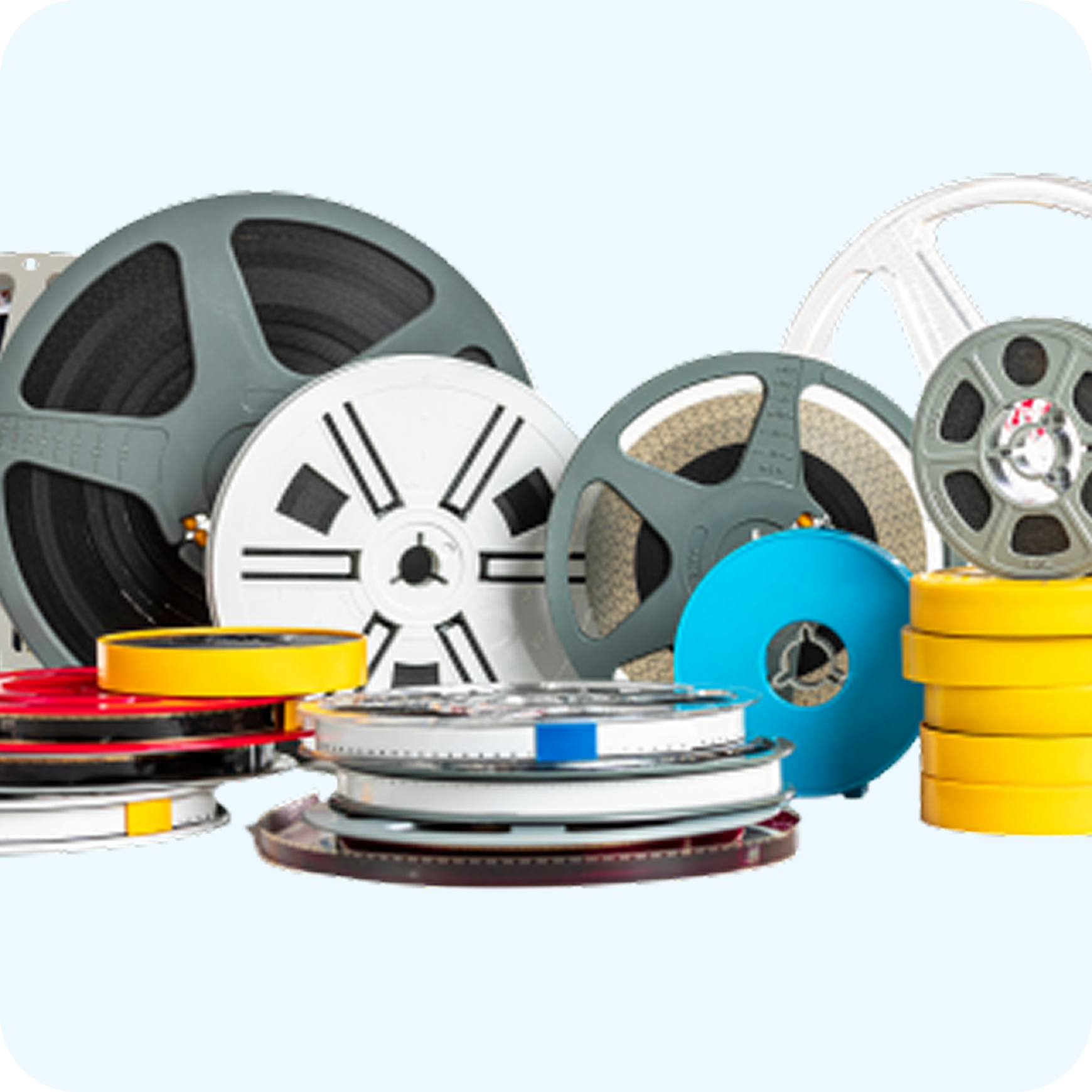
Standard 8mm film captured family life from the 1930s through the early 1980s with a warmth and cinematic quality unlike any other format. Scan5 digitizes your reels by converting 8mm film to digital frame-by-frame using Hollywood-grade scanning technology, giving your home movies new life in stunning digital clarity.
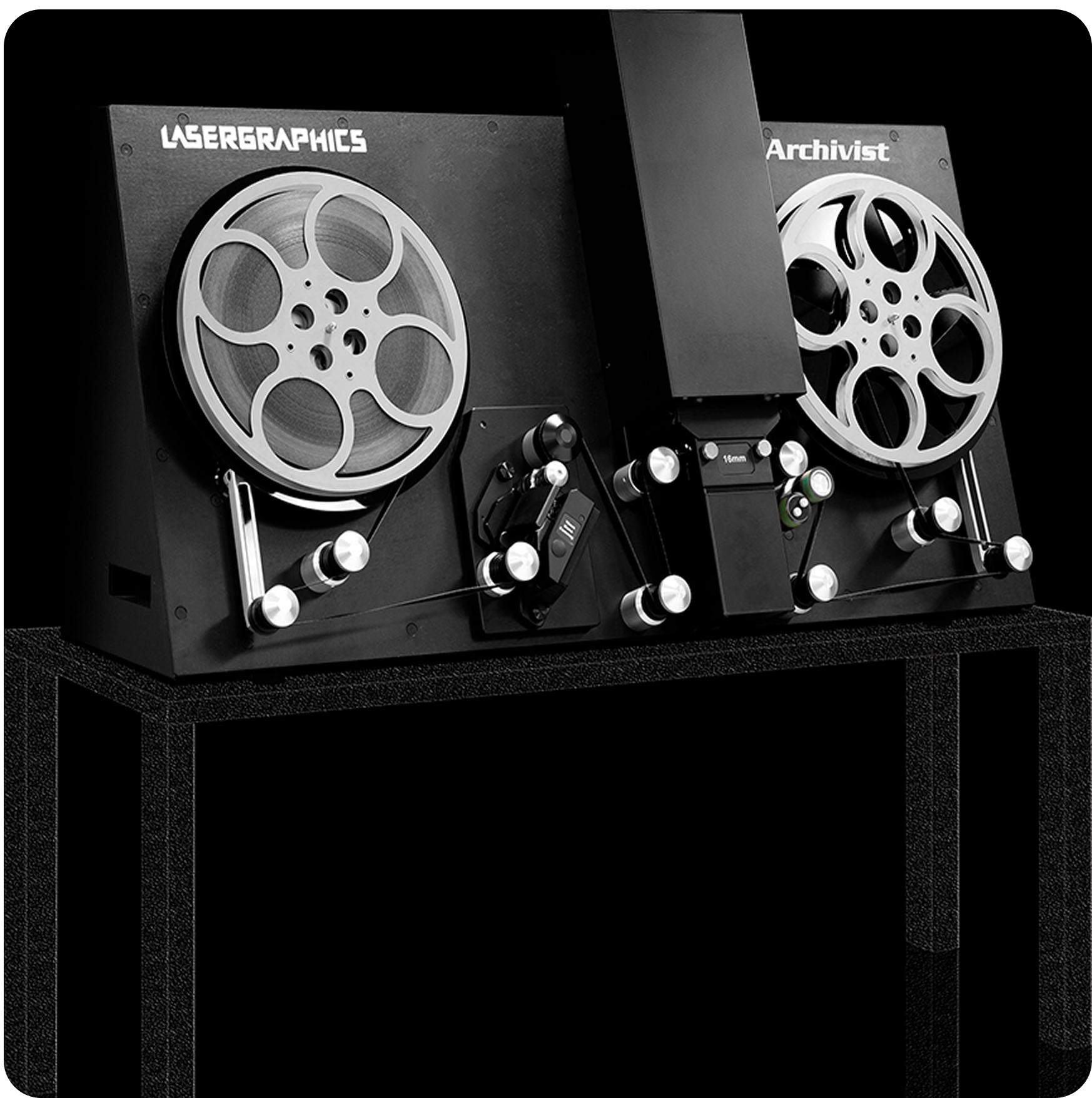
At Scan5, we use the industry-leading Lasergraphics™ film scanner — the same technology used to restore and archive landmark films including The Godfather, The Shawshank Redemption, and The Wizard of Oz. Custom-built in the USA, our scanner digitizes your 8mm film frame-by-frame at up to 5K resolution, capturing every detail the original film recorded.
Unlike telecine transfer methods, our scanner captures each frame individually eliminating motion blur, flicker, and the color distortion common with older transfer techniques. The result is smooth, detailed, beautiful footage that does justice to your family's history.
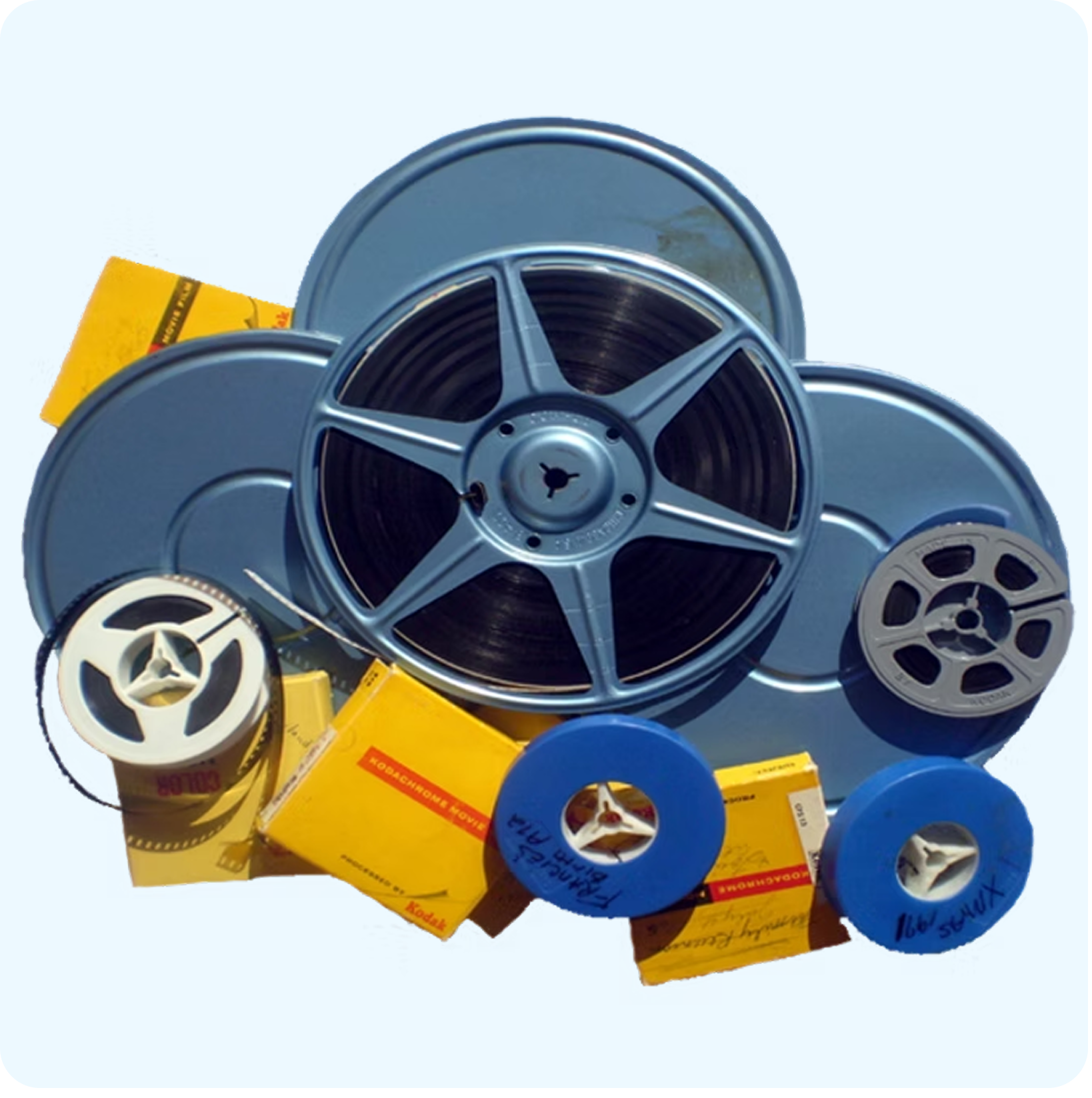
Standard 8mm film (also called Regular 8 or Double 8) was introduced by Kodak in 1932 and became the dominant home movie format for three decades. It was created by slitting 16mm film in half and running it through the camera twice, producing a tiny frame with a surprisingly filmic quality. Most 8mm film is silent, though some later cameras recorded magnetic sound.
8mm reels typically come in 3-inch, 5-inch, or 7-inch diameters, running 3 to 30 minutes per reel. Many reels are now 50–90 years old and are actively deteriorating, especially those showing signs of vinegar syndrome (an acetic acid smell). If your 8mm reels smell like vinegar, contact us immediately.
We scan 8mm film at resolutions that exceed the film's original information capacity, ensuring you get everything the film has to offer. We also offer full frame overscans at no addional cost.
Full HD output at 1920×1080. Perfect for sharing and viewing on TVs, computers, and mobile devices. Captures the full quality of most 8mm footage.
Our recommended resolution for 8mm. Captures maximum detail from the film frame and allows for future-proof storage with manageble file sizes.
Professional ProRes or DPX output in 2K, 4K or 5K for editors, filmmakers, and permanent archives.
Decades-old film can suffer from sprocket damage, splices, shrinkage, and mold. We assess every reel before scanning and address issues that could affect playback.

We repair broken splices, treat shrunken or warped film, and clean dirt and debris from the film surface before scanning to minimize damage and artifacts.

We offer color correction, scratch and grain reduction, and custom editing including trimming, organizing, and combining reels into a final video.
Once your 8mm reels are digitized, choose how you'd like to store and share your footage.


From home movies to commercial reels.
Our 8mm to digital service has handled thousands of projects for Chicago families, schools, and archives. Converting old film into modern digital files preserves every frame for future generations.

Standard 8mm captured some of the most precious family moments of the 20th century. Let us bring those films back to life in digital clarity.
We work with libraries, historical societies, schools, and organizations to digitize 8mm film archives for long-term preservation.

We understand how personal your memories are, and we treat them with the utmost care. Your photos, tapes, and videos are always secure with us, and we never share them with third parties. Your physical items are kept safe in our climate controlled inventory room at our office building with 24/7 monitoring.
Standard 8mm (Regular 8 or Double 8) was introduced in 1932 and has smaller individual frames than Super 8. Super 8, introduced by Kodak in 1965, has a larger frame area and smaller sprocket holes, producing sharper images. If you're unsure which format you have, bring your reels in and we'll identify them for you.
Film deteriorates from heat, humidity, and the natural breakdown of the cellulose acetate base — a process called vinegar syndrome. As film ages, it becomes brittle, warped, and ultimately unplayable. Digitizing now, while the film is still in reasonable condition, produces far better results than waiting.
Vinegar syndrome is an advanced stage of film deterioration where the acetate base releases acetic acid, producing a vinegar-like smell. It's contagious — affected film can accelerate deterioration in nearby reels. If your film smells like vinegar, store it separately and contact us immediately. We can often still transfer film in early stages of vinegar syndrome.
We recommend 2K resolution for 8mm film. This exceeds the film's native resolution and ensures you capture every detail the film has preserved.
We use the Lasergraphics™ film scanner, the industry-leading choice for film archives and Hollywood studios. The same scanner has been used to restore landmark films including The Godfather, The Shawshank Redemption, and The Wizard of Oz.
Drop off at our Chicago studio (4001 N Ravenswood Ave Suite 502-B), schedule a courier pickup, or ship your reels to us with a prepaid UPS label. We recommend shipping reels in their original cans or plastic cases with padding.
Most projects are completed in 1–3 weeks depending on the number of reels and complexity. Rush service may be available — contact us to discuss your timeline.
Yes. We offer color correction, scratch and grain reduction, and custom editing services including trimming, organizing reels, and combining multiple reels into a final video. Contact us for details.
Yes. Our Lasergrpahics film scanner has a built-in particle transfer system to reduce dirt and debris commonly found on old 8mm films.
We do not recommend doing this becuase it can damage your film and the sprocket holes. If you aren't sure what is on the films, we suggest scanning a small batch and then deciding if it would be worthwhile to transfer the remaining films.
Yes. After converting 8mm film to digital, your originals are returned. By industry standard, films come back on 7-inch plastic take-up reels. Your original reels can be returned upon written request for a labor fee.
Don't wait until it's too late. Scan5 can transfer 8mm to digital and preserve your family's 8mm films in stunning digital quality.