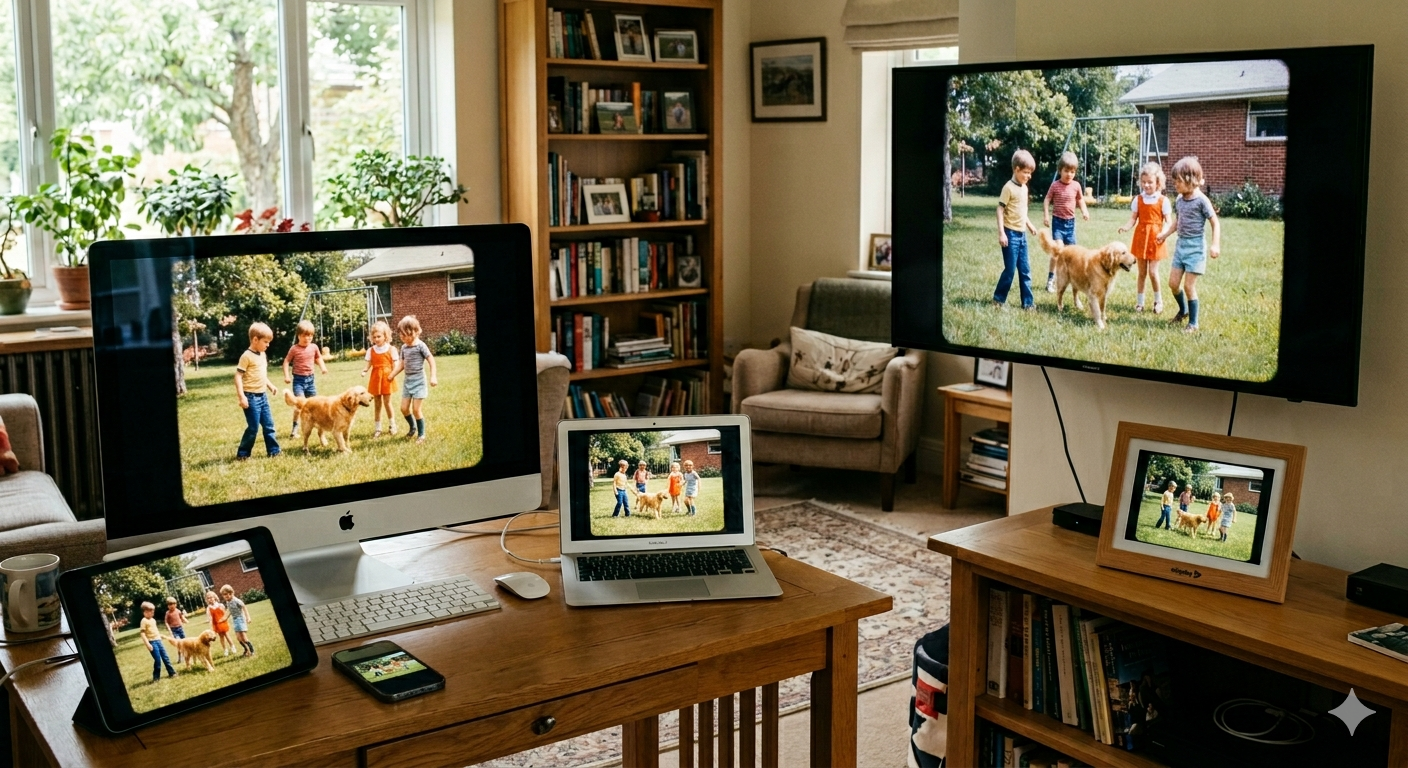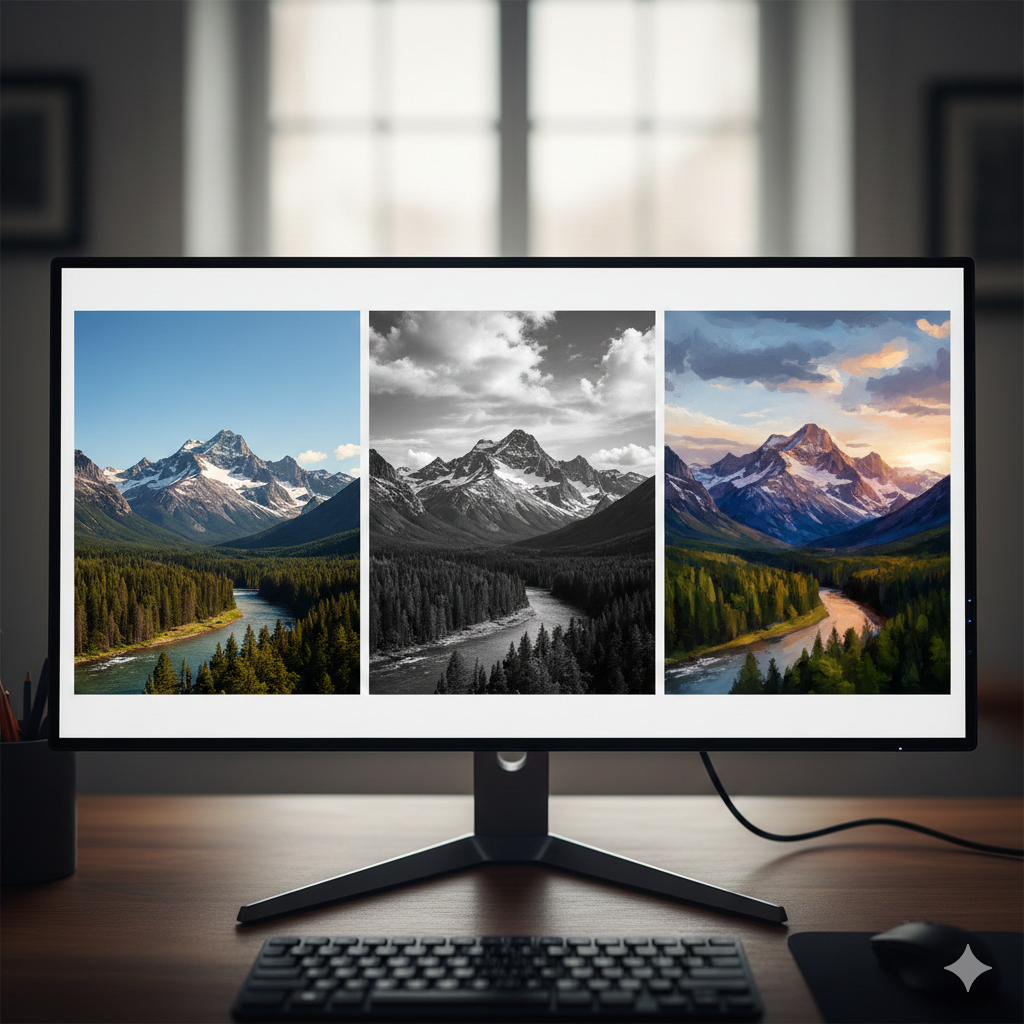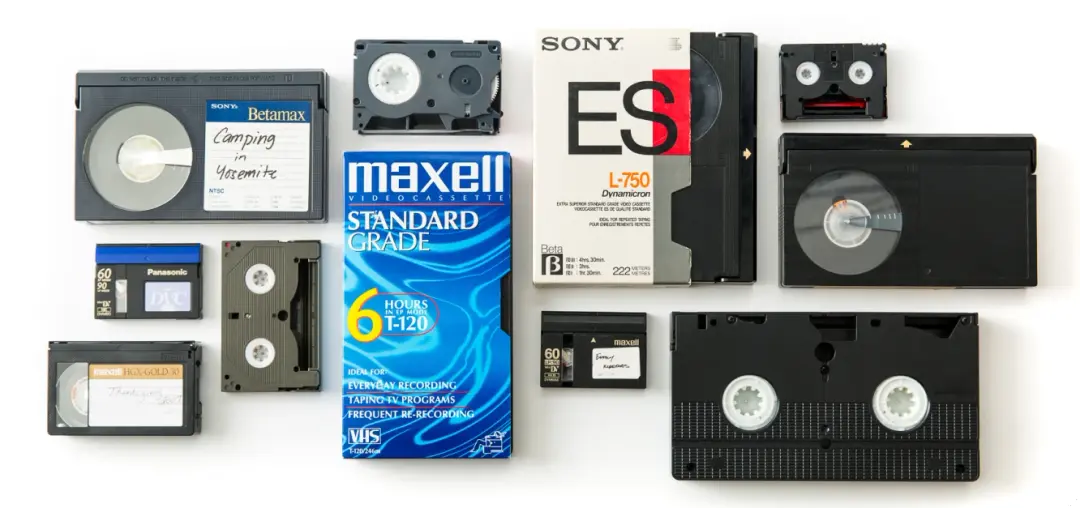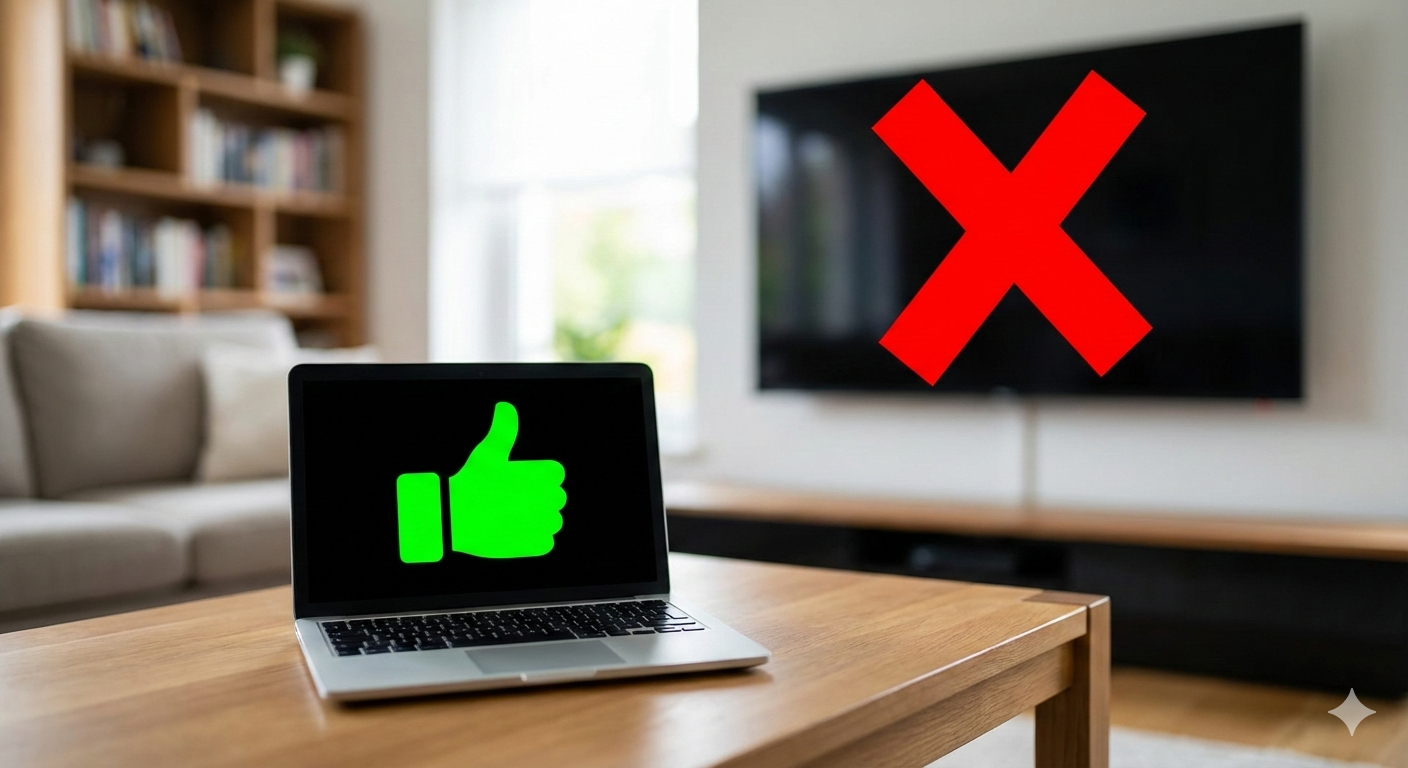
If you have ever watched old home videos that were transferred from VHS, Hi8, or other analog tapes, you may have noticed something interesting. They often look better on your phone or laptop than they do on a big modern TV. That is not your imagination. Standard definition video was simply made for smaller screens, and here is why viewing it that way usually gives you the best experience.
First, standard definition video has limited resolution. Most analog video formats were designed decades ago, long before giant 4K televisions. VHS and similar tapes captured far fewer details than today’s digital cameras. When you play that video on a large TV, the image has to be stretched to fill the screen. This enlargement makes softness, grain, and minor flaws much more obvious. On a smaller screen, those same limitations are far less noticeable, so the picture looks cleaner and more natural.
Smaller screens also hide imperfections that are common in old tapes. Analog video often includes noise, slight color shifts, tracking lines, or flicker. On a big television, your eyes have time to wander and catch every one of those issues. On a phone or tablet, the image is more compact, so your brain focuses on the moment rather than the technical flaws. Faces look smoother, motion feels more stable, and the overall image appears more pleasant.
Another reason SD video shines on smaller displays is how our eyes perceive detail. When you sit close to a large TV, your eyes expect sharp, high resolution images. When that expectation is not met, the video can feel disappointing. With a laptop or phone, your viewing distance and screen size work together. Your eyes are not demanding the same level of detail, so the video feels more satisfying and true to how it was originally meant to be seen.
There is also an emotional factor at play. Home movies are about people, memories, and moments, not technical perfection. Watching them on a personal device feels more intimate. Holding a phone or sitting with a laptop can feel closer and more personal than watching on a wall sized screen. That smaller, cozier viewing experience often matches the spirit of family videos and personal recordings.
Finally, standard definition video was originally viewed on small televisions. When those tapes were new, most people watched them on screens that were far smaller than today’s TVs. Viewing them on laptops, tablets, or phones is actually closer to the original experience. The image scale feels right, motion looks more natural, and the video simply makes more sense.
Old SD footage is significantly lower resolution than 4K or even full HD. SD Video is 640x480 HD is 1920x1080, that's almost 7 times the resolution of SD! 4K Ultra HD is 3840x2160 which 27 times more detailed than SD! Some analog SD formats, such as VHS and VHSC weren't even full SD, they actually have a resolution half of SD at 320x240, which is 108 times LESS resolution than 4K! Most modern TVs have some form of built in upscaling to help improve detail and sharpness when viewing old SD footage. There are also AI upscaling solutions available, such as Topaz Labs, but they can be very time consuming and expensive, so it's not often practical to upscale an entire home library. Watching old media in the original format is always going to look the best. The technology used to view SD footage is completely different than today's HD technology. Old CRT TVs used an electron gun to draw the image on the screen in an interlaced (the 'i' in 1080i) pattern. This helped to increase the perceived sharpness and resolution of the image. Contemporary TVs use a progressive (the 'p' in 1080p) display method, which provides a more vivid and lifelike picture, but it requires a higher resolution source to be enjoyed properly. This brings out the inherent flaws in on old SD footage.
In the end, there is nothing wrong with playing old SD videos on a big TV, but if you want them to look their best, smaller screens are usually the way to go. They respect the limitations of the format, minimize distractions, and let you focus on what really matters. The memories themselves.