In a world where so much of our lives lives online, our memories are no longer limited to photo albums and paper letters. They exist as digital photos, videos, emails, voice notes, social media posts, and creative work stored on phones, computers, and online accounts. These digital memories are deeply personal and often irreplaceable, which is why backing them up in the cloud and planning for their access after death are essential acts of care.
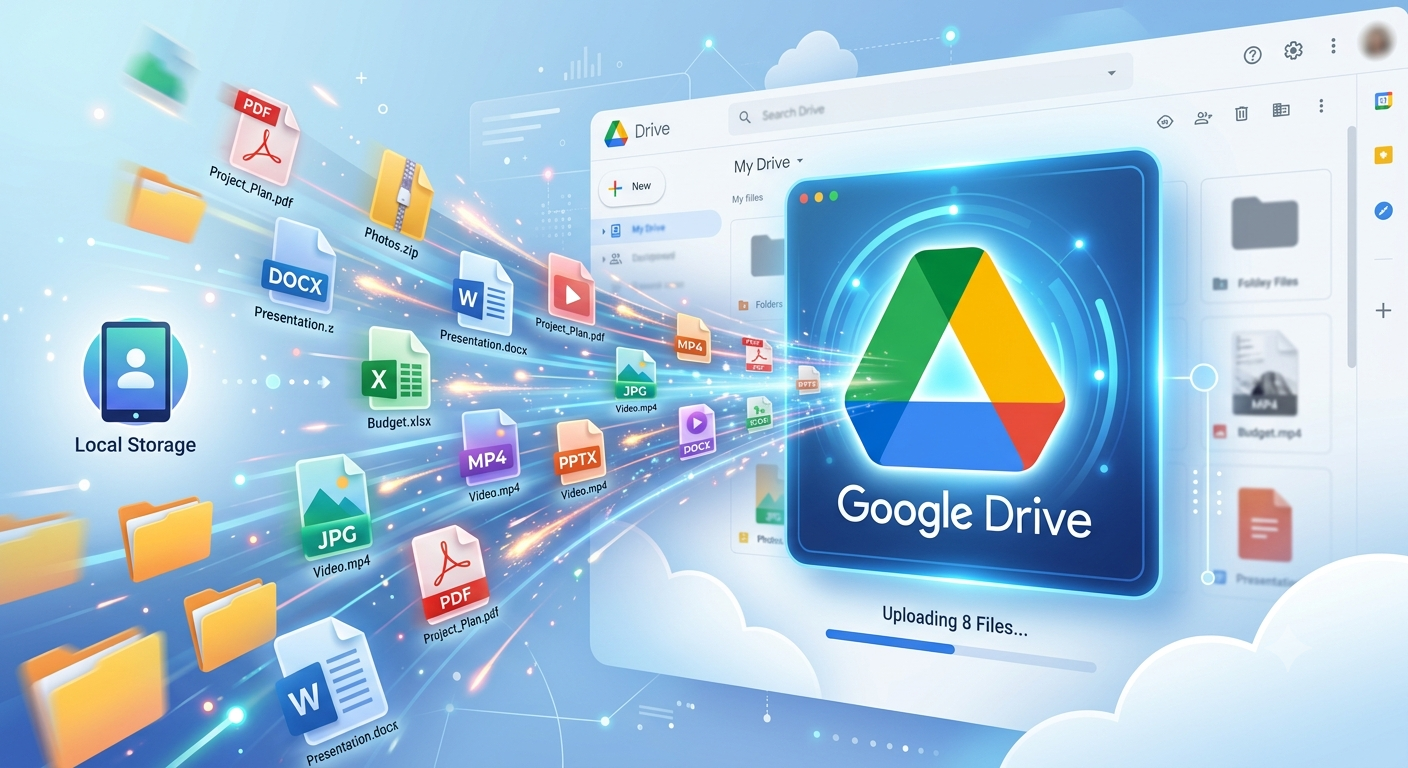
Backing up digital memories to the cloud protects them from everyday risks. Devices fail, get lost, or are damaged by accidents. A single spilled drink or stolen phone can erase years of photos and messages in seconds. Cloud backups create copies that live beyond any one device, making it possible to recover memories even after hardware failure. They also make it easier to organize, search, and share memories with loved ones, instead of leaving them scattered across old phones and hard drives.
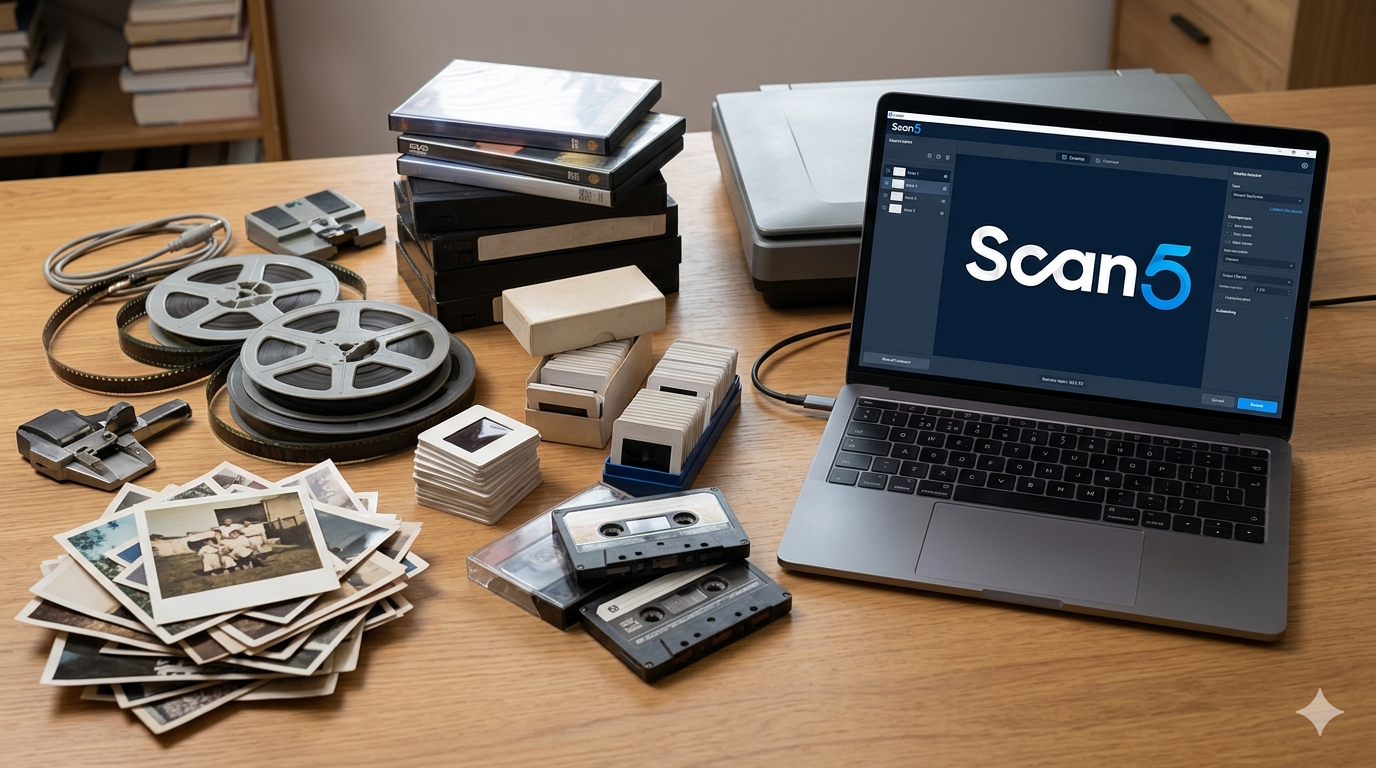
Cloud backups also provide continuity over time. As technology changes, older devices and storage formats can become obsolete. Files stored only on a long forgotten laptop or an outdated external drive may become inaccessible. Reputable cloud services actively manage storage systems and migrate data as technology evolves, helping ensure that your memories remain usable in the future.
Equally important is planning for what happens to your digital life when you are no longer here. Many people carefully plan the distribution of physical property but overlook digital assets. Without clear instructions and access information, loved ones may be locked out of accounts that hold photos, documents, or meaningful conversations. Password recovery processes are often slow, limited, or impossible without proper authorization.
Including passwords or secure access instructions in your estate plan can spare your family unnecessary stress. It allows trusted individuals to retrieve important documents, preserve memories, close accounts, and honor your wishes. This does not mean writing passwords on a loose piece of paper. Instead, it can involve a password manager, a secure document, or instructions given to an attorney or executor who knows how to access the information when needed.
Planning ahead is an act of kindness. Backing up your digital memories in the cloud protects them during your life, and including access information in your estate plan protects them after it. Together, these steps ensure that the story of your life, as told through your digital memories, is not lost to technical failures or legal barriers, but preserved for the people who matter most.