If you have ever watched a professionally digitized home movie shot on 8mm or 16mm film, you might have had a surprising reaction. It can look cleaner, richer, and more cinematic than footage from a much newer VHS tape. At first that feels backwards. Newer should mean better, right? The reality is more interesting.
The biggest reason comes down to how film and videotape store images.
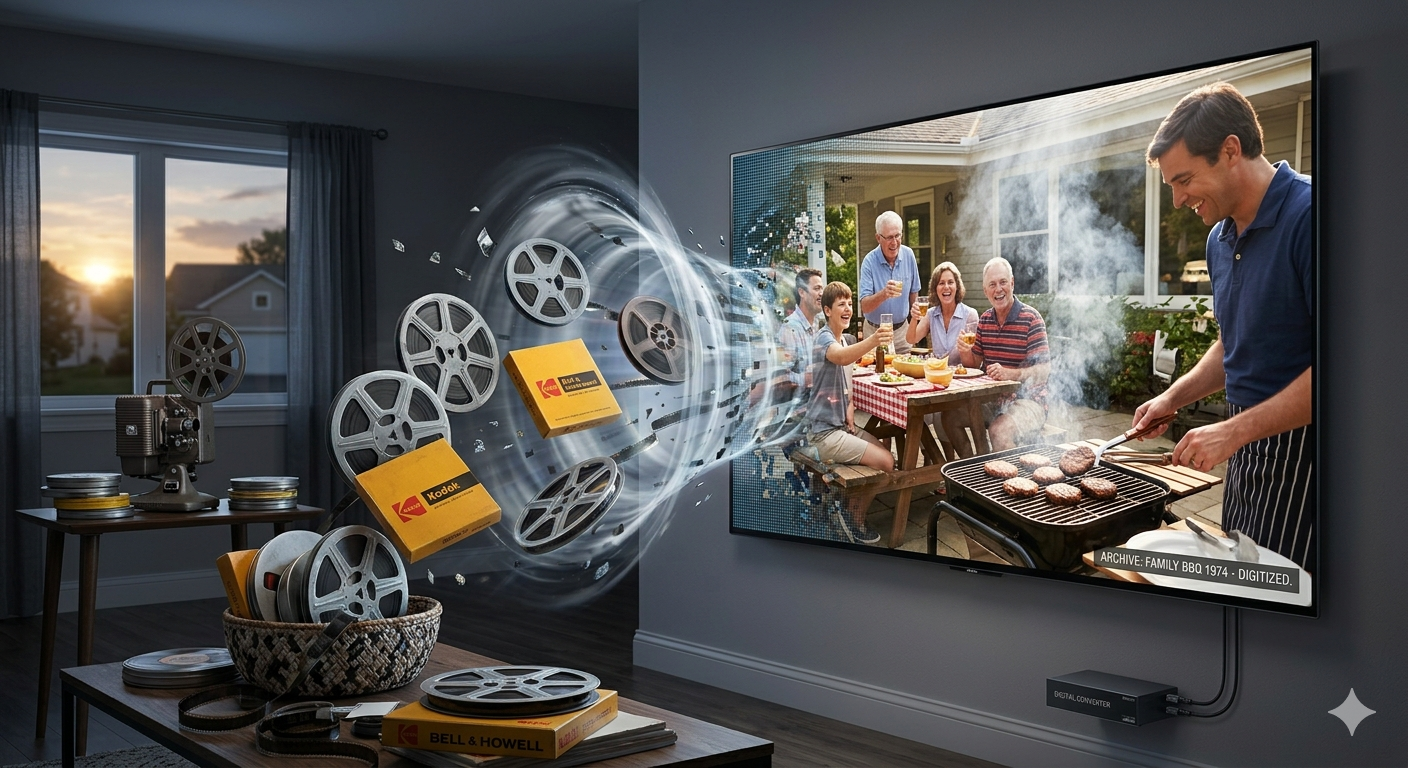
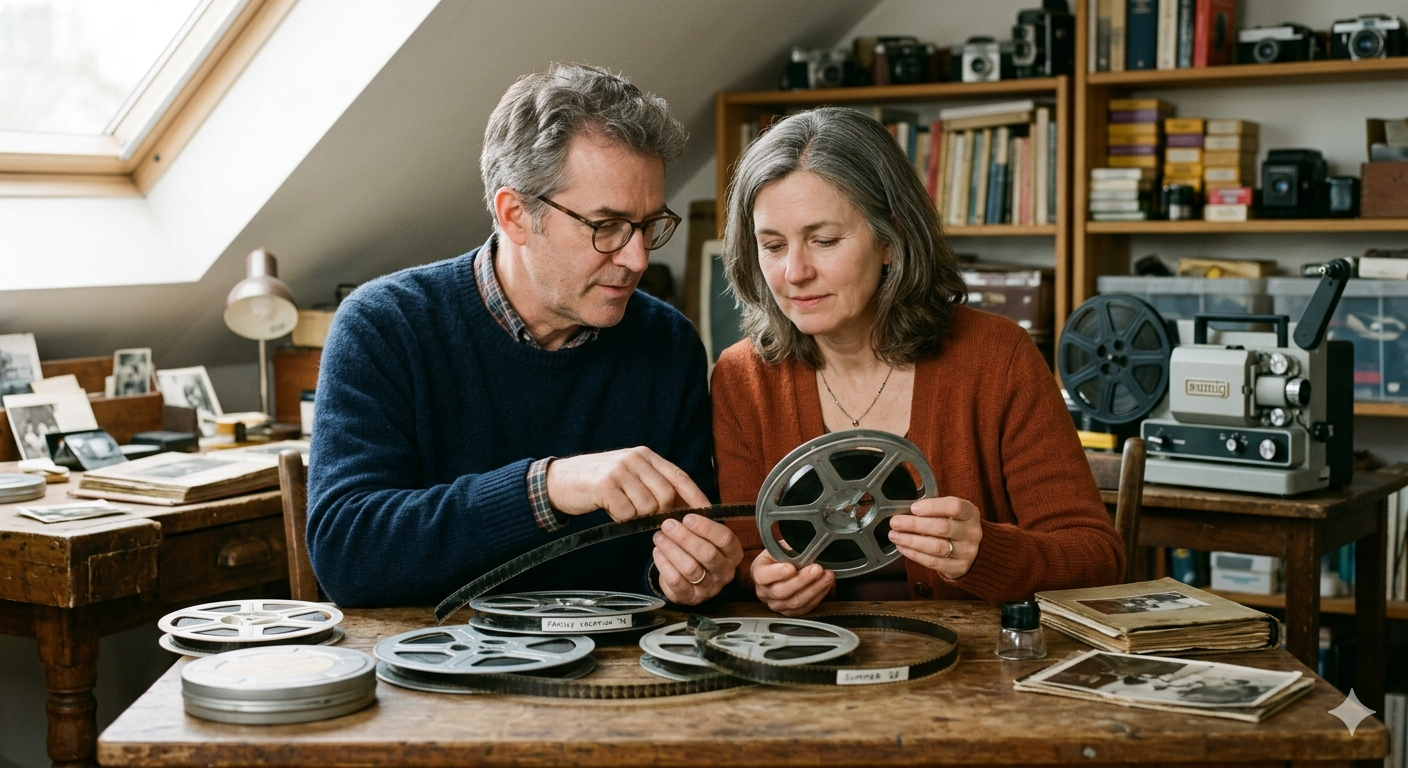
Film captures light as a continuous physical image. Each frame of 8mm or 16mm film is a tiny photograph made of real detail, real color, and real texture. When that film is scanned today with modern equipment, the scanner can pull out far more information than older projectors or telecine systems ever could. You are not locked into the limits of the technology from the time the film was shot. You are rediscovering what was already there.
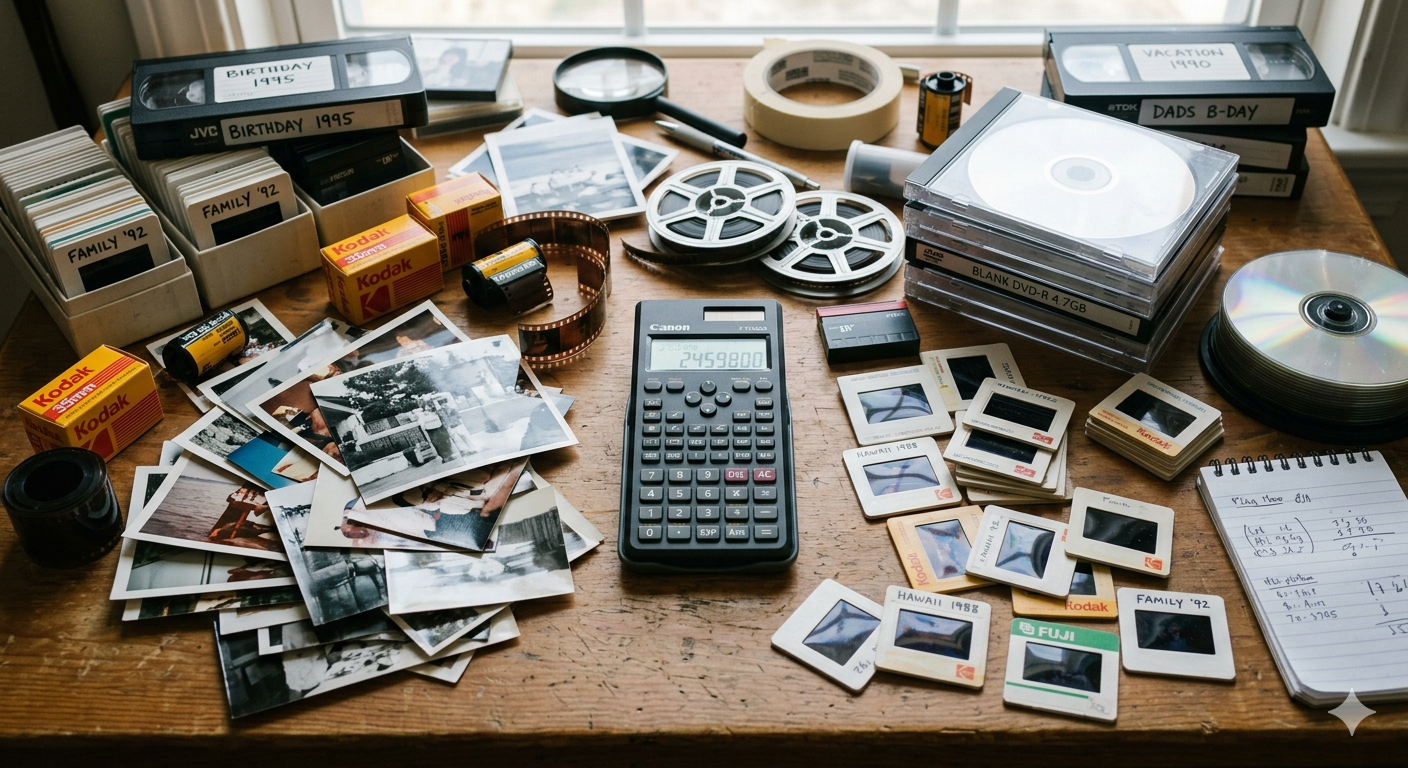
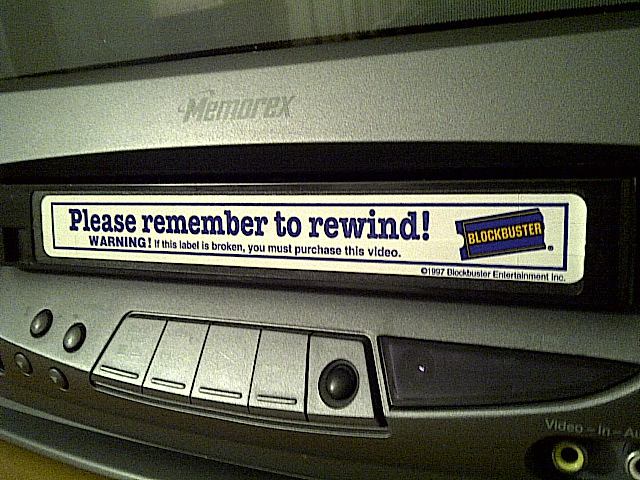
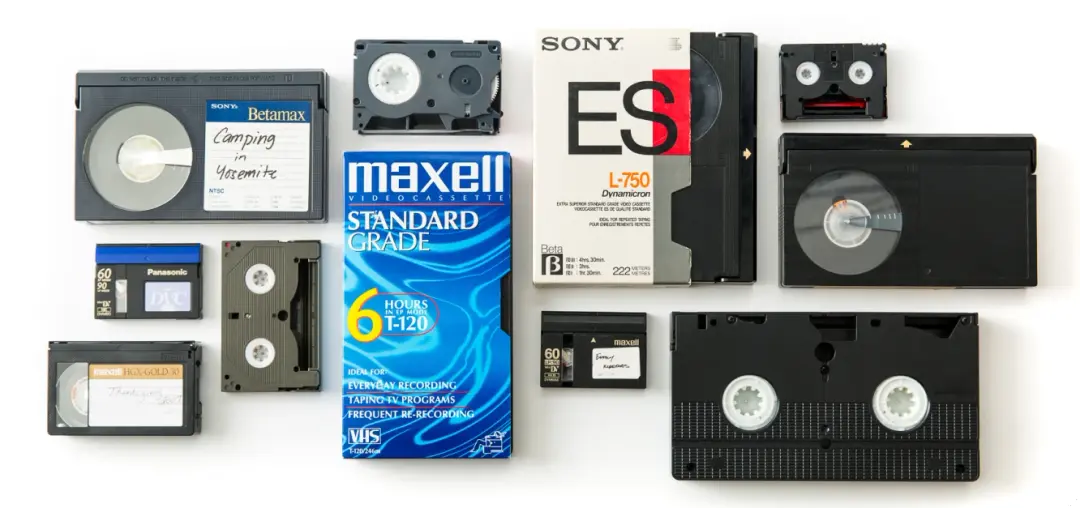
Videotape works very differently. Formats like VHS record video as an electronic signal on magnetic tape. That signal is heavily limited by design. VHS was created for convenience and affordability, not long term image quality. Resolution is low, color is compressed, and fine detail is blurred together from the start. No modern digitization process can magically recover detail that was never recorded.
Another major difference shows up when we talk about resolution and modern formats.
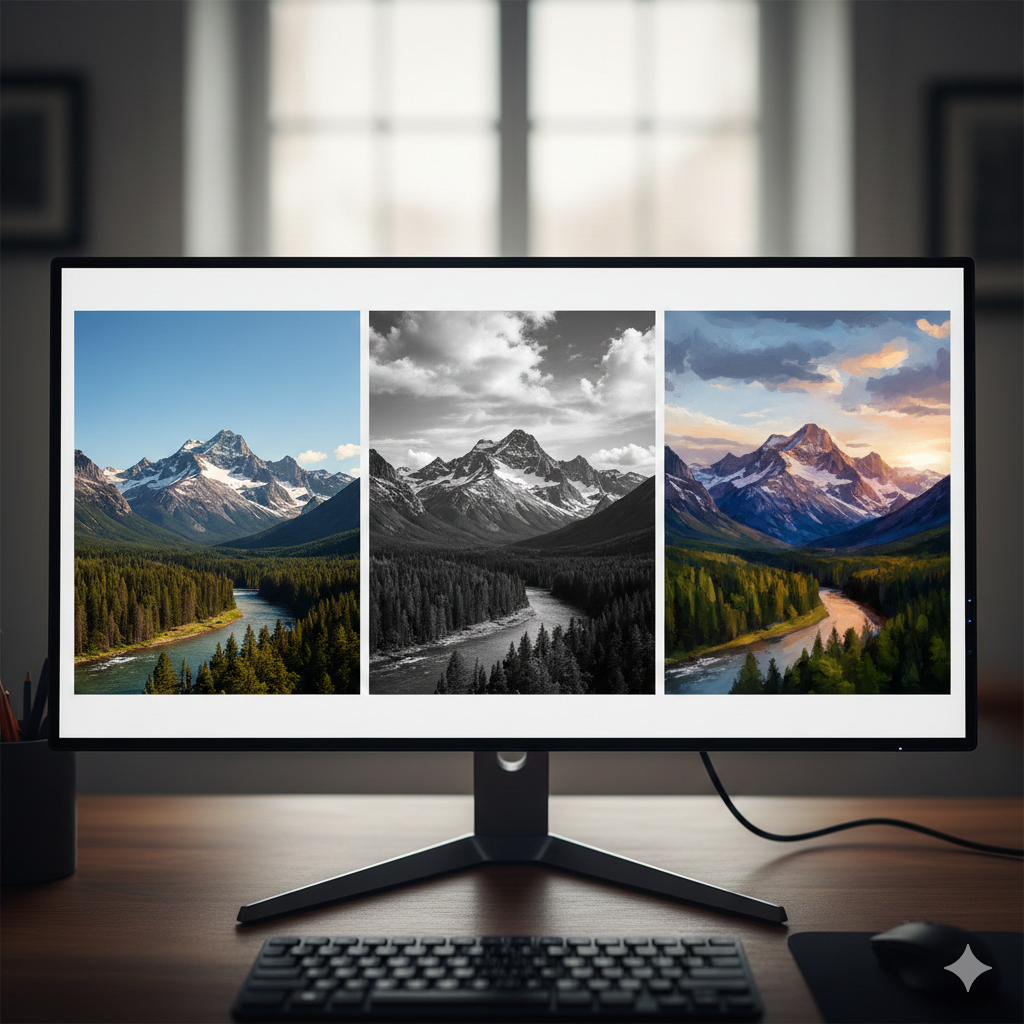
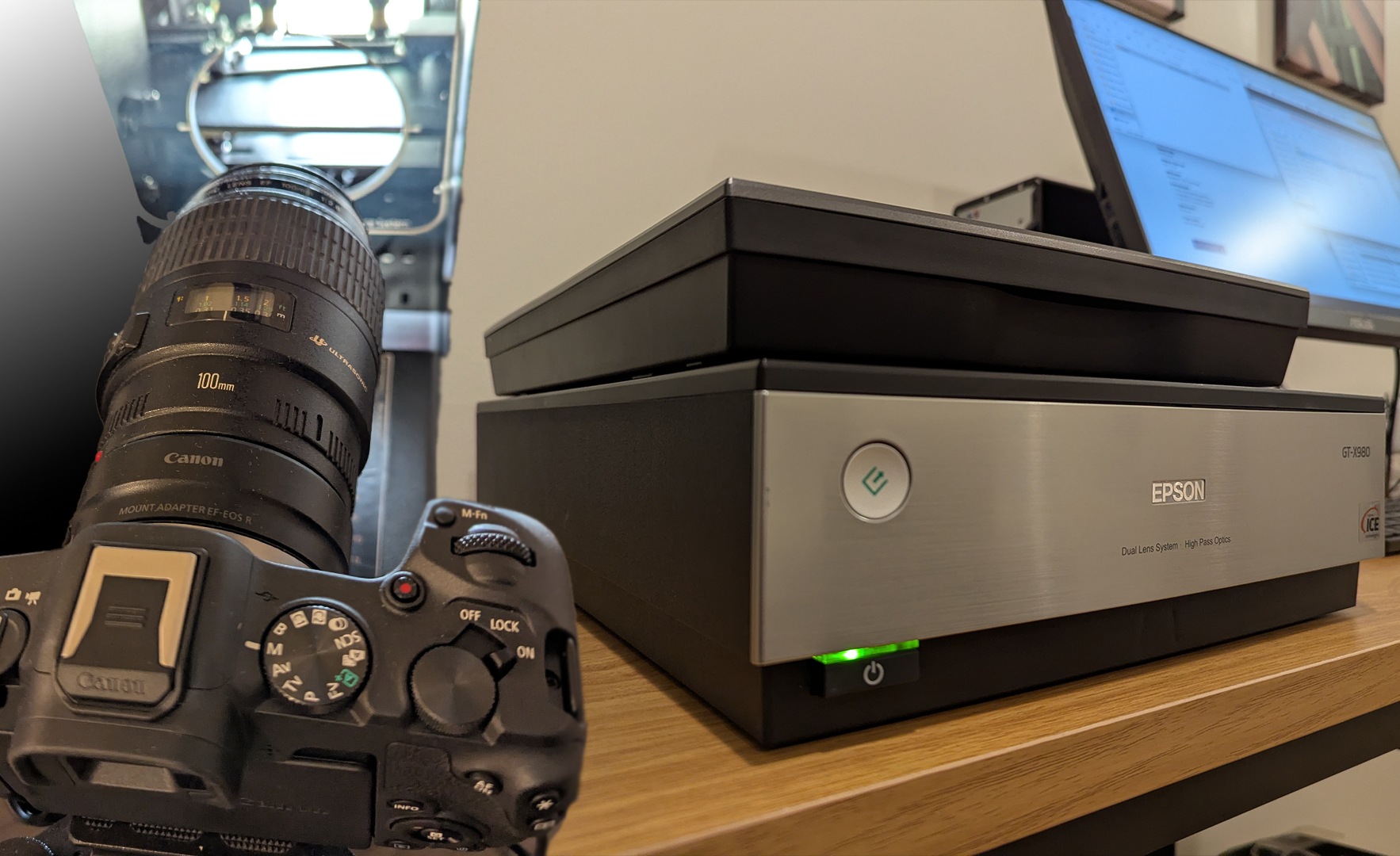
8mm and 16mm film can be digitized in high definition or even higher resolutions. This is because film does not have a fixed pixel grid. When a professional scanner captures each frame, it can sample the image at HD, 2K, or higher, depending on the quality of the film and the scanner. The extra resolution helps reveal fine textures like hair, fabric, and background detail, and it also gives restoration tools more data to work with. Even small gauge film often contains more real image information than people expect.
VHS, on the other hand, can only be digitized in its native format, which is standard definition. Capturing it at a higher resolution does not add detail. It just creates a larger file of the same soft image. The original signal simply does not contain enough information to justify HD. What you see in SD is essentially all that VHS has to give.
There is also the question of how each medium ages.
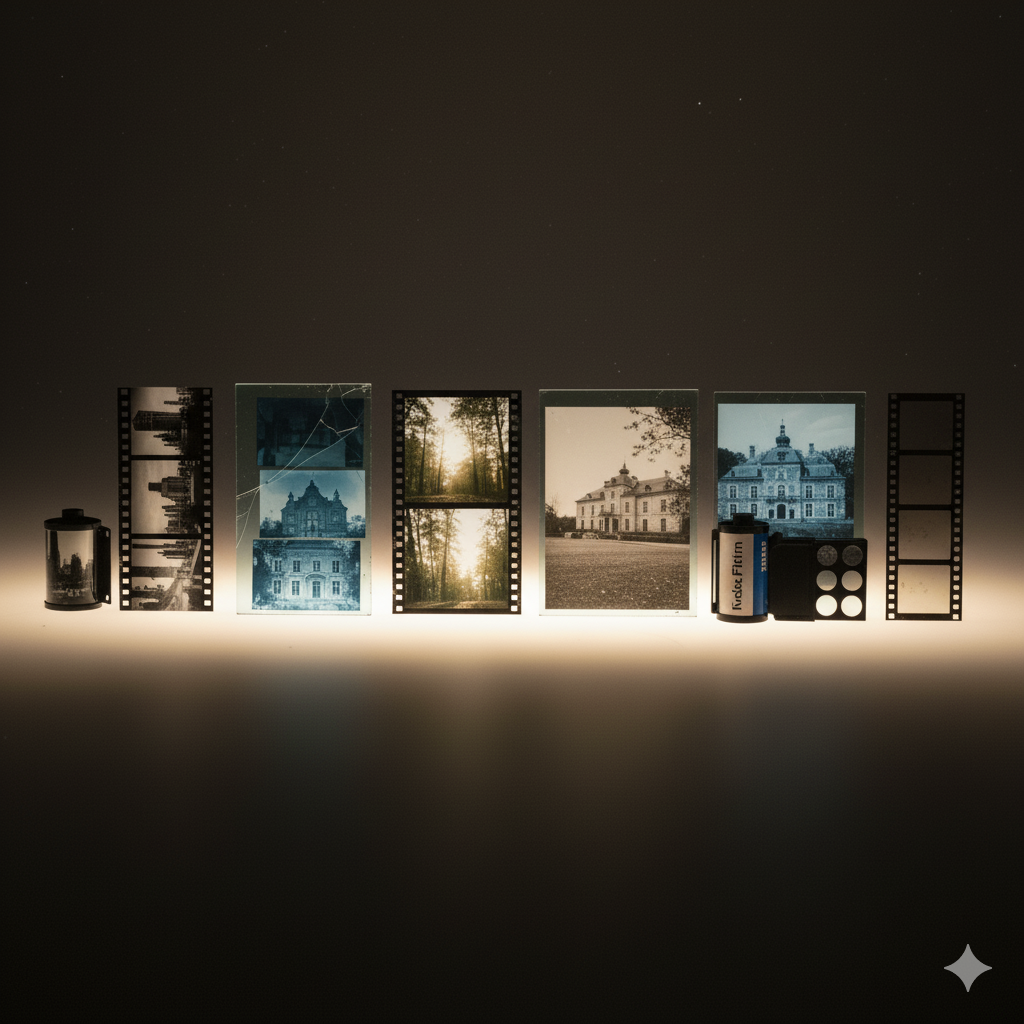
Film, when stored reasonably well, tends to fade slowly and evenly. Colors may shift and contrast may drop, but the underlying image usually remains intact. Scratches and dust can often be cleaned or corrected during professional scanning. In many cases, careful restoration can make old film look remarkably close to how it looked decades ago.
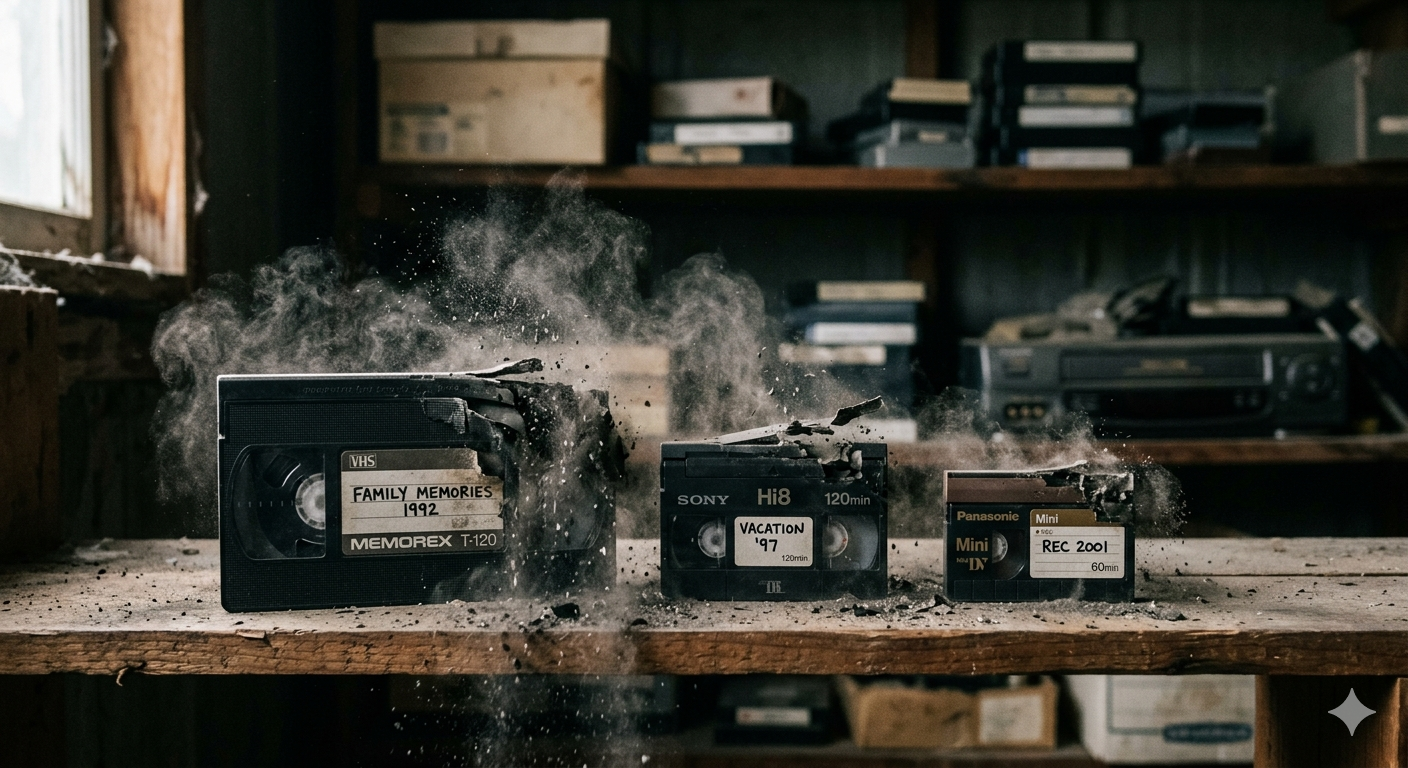
VHS tape degrades in harsher ways. Magnetic particles lose alignment. The signal becomes noisy. Dropouts appear. Tracking errors and warping introduce jitter and distortion. These problems are baked into the signal itself. Digitizing a damaged VHS tape often means faithfully capturing its flaws along with its content.
Another factor is how the images are structured.
Film is made of discrete frames. Each frame can be scanned at high resolution and stabilized individually. Video tape like VHS is interlaced and time based. The image is built from fields and timing signals that are prone to drift. Even the best capture equipment has to wrestle with this instability, and the result often looks soft or smeared compared to scanned film.
Finally, there is an artistic aspect that should not be ignored.
Film has natural grain, gentle highlight rolloff, and organic motion. When digitized well, these qualities translate beautifully to modern screens. VHS video tends to look flat and harsh by comparison, with limited dynamic range and blocky color.
So when old film looks better than newer tape, it is not nostalgia playing tricks on you. It is physics, engineering, and a bit of luck. Film preserved more information than anyone realized at the time, and modern digitization finally gives us the tools to see it.