From Silver Prints to Smartphone Photos: A Look at the Evolution of Photo Printing and How Scan5 Digitizes Them All
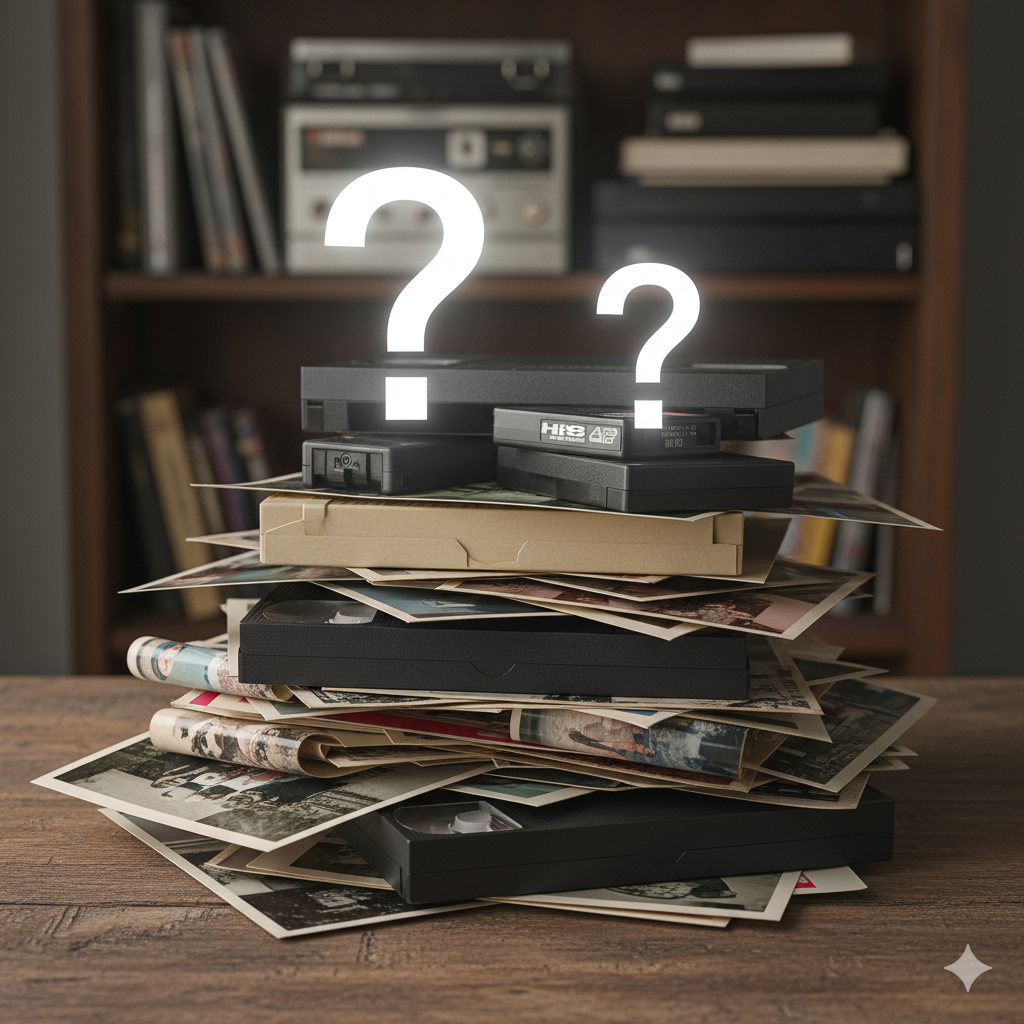
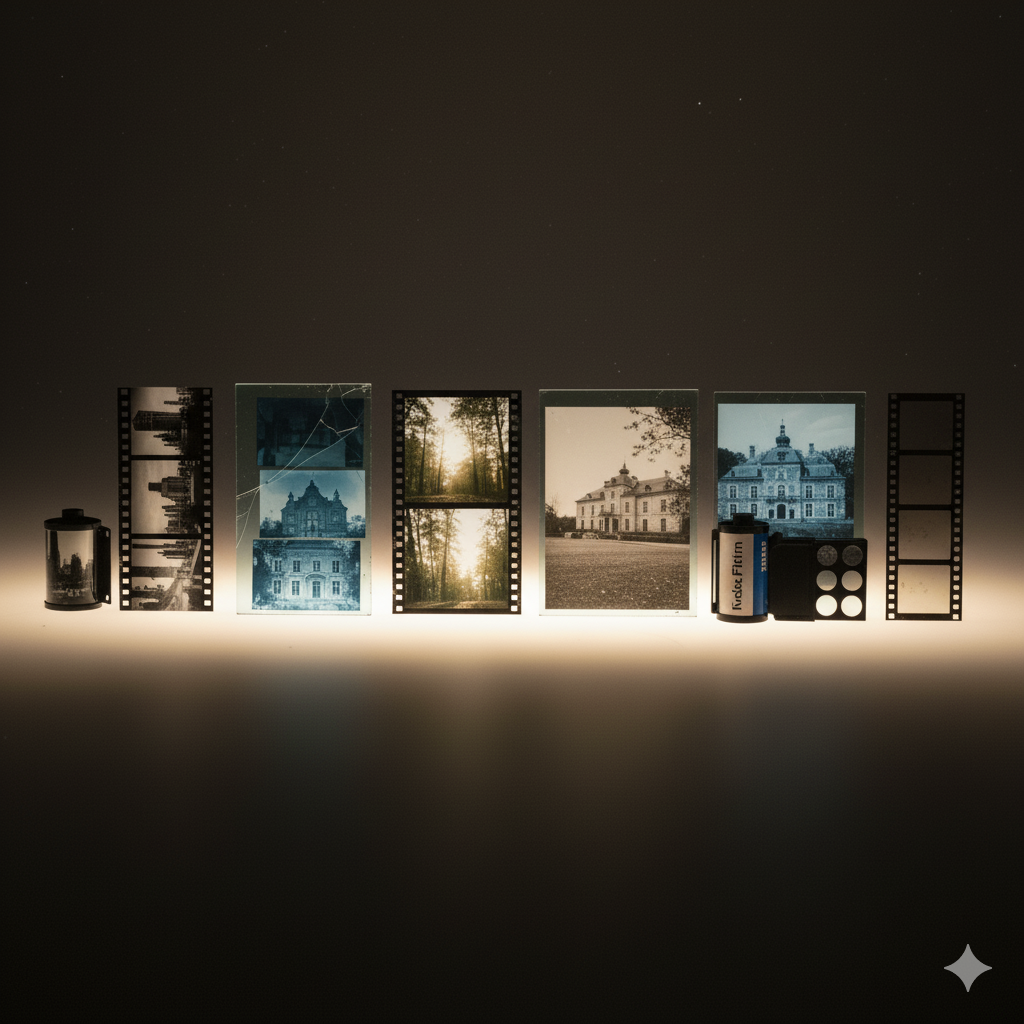
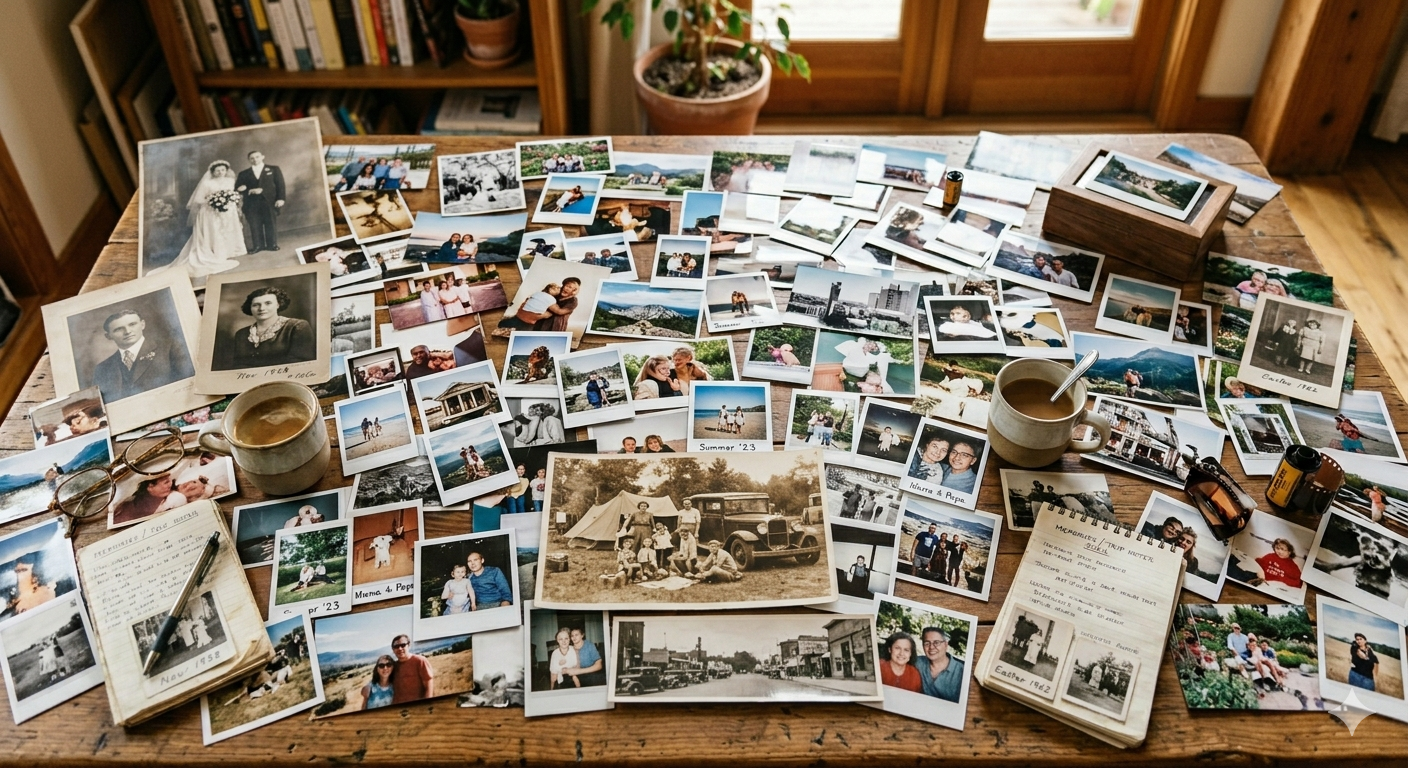
Photographs have been preserving family memories, historical moments, and personal stories for more than 150 years. While most people think of printed photos as a single category, the reality is that photographic printing has evolved dramatically over the decades. Different eras introduced different printing technologies, paper types, finishes, and image processes.
If you've inherited a box of old family photographs, chances are you're looking at several different types of prints produced over many generations. The good news is that Scan5 in Chicago has the expertise and equipment to digitize virtually every type of photographic print, helping preserve your images for future generations.
Early 1900s: Silver Gelatin Prints
One of the most common photographic formats of the early twentieth century was the silver gelatin print. These black-and-white photographs were created using light-sensitive silver salts embedded in paper coatings. They became popular because they produced sharp, detailed images and were relatively affordable.
Many family albums from the 1900s through the 1950s contain silver gelatin prints. Over time, these photos can fade, yellow, crack, or become damaged by moisture and handling.
Scan5 uses high-resolution scanning techniques to capture the fine detail and tonal range of these historic photographs while minimizing additional handling of fragile originals.
Sepia-Toned Portraits and Studio Prints
Throughout the early and mid-1900s, sepia-toned photographs were widely used for family portraits and formal studio photography. The warm brown coloration created an elegant look and often improved image longevity.
These prints are especially common in framed family portraits and inherited collections. Preserving their unique color characteristics requires careful scanning and color management.
At Scan5, each image can be digitized to accurately reproduce the original tones while creating a digital backup that can be shared and restored if needed.
Real Photo Postcards
From roughly 1900 through the 1940s, real photo postcards became a popular way to share personal photographs. Unlike printed postcards, these were actual photographic prints developed on postcard stock.
Today, many families discover these unique items in old boxes, albums, and estate collections. Because they often include handwritten notes and postal markings, both sides can be valuable historical records.
Scan5 can digitize both the image side and the reverse side, preserving every detail for archival purposes.
Black-and-White Snapshot Prints
As consumer cameras became more affordable, snapshot photography exploded. Small black-and-white prints from cameras such as the Brownie became household staples throughout the first half of the twentieth century.
These photographs often document everyday life, vacations, school events, and family gatherings. Although they may appear simple, they often contain irreplaceable historical and genealogical information.
High-resolution scanning allows these images to be enlarged and viewed in ways that reveal details that may be difficult to see in the original print.
Color Prints of the 1950s Through the 1980s
The postwar era brought widespread adoption of color photography. Families began documenting birthdays, vacations, weddings, and holidays in vibrant color.
Unfortunately, many color prints from this period are susceptible to fading. Reds may dominate while blues and greens disappear, creating the familiar faded look found in many older albums.
Scan5 can digitize faded color photographs and create digital files that provide a foundation for color correction and restoration.
Instant Photos
Instant photography became a cultural phenomenon with the introduction of Polaroid cameras and later instant film systems. These one-of-a-kind photographs often exist as single originals with no negatives.
Because instant photos can fade, discolor, and become physically damaged over time, digitization is especially important.
Scan5 uses specialized scanning methods that capture both the image and the unique characteristics of the original instant print while preserving its nostalgic appearance.
Professional Portraits and Large Prints
Many families have large studio portraits hanging on walls or stored in protective sleeves. These oversized prints often present challenges because they exceed the size limitations of standard scanners.
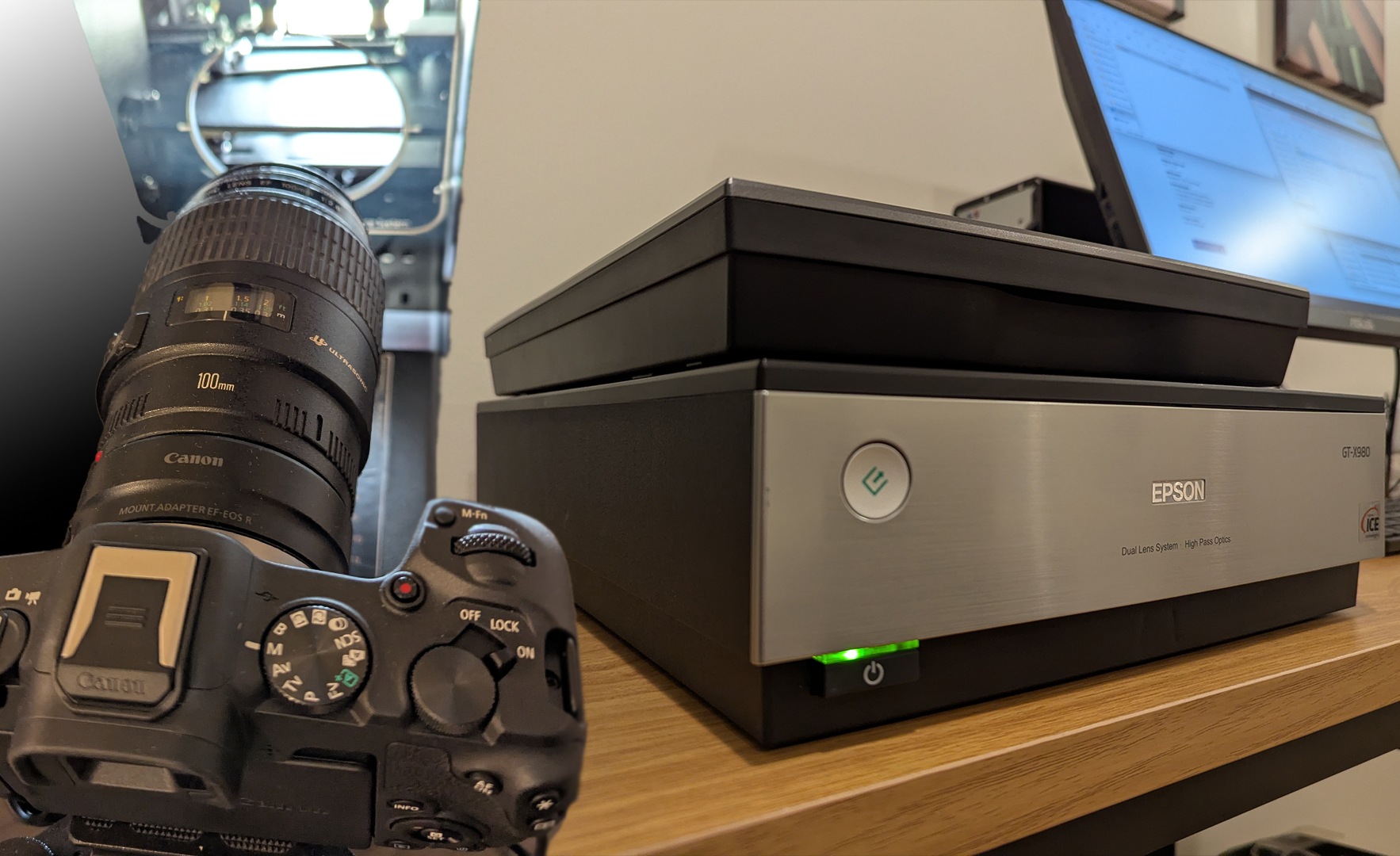
Scan5 employs a variety of digitization methods, including high-resolution photographic capture systems, to digitize large photographs while maintaining exceptional image quality.
Modern Digital Photo Prints
Even today's photo prints deserve preservation. While modern printing technologies are highly advanced, physical prints can still be damaged by floods, fire, sunlight, and everyday wear.
Digitizing current photo collections creates an additional layer of protection and makes it easier to organize, search, and share images across devices and generations.
More Than Just Standard Scanning
No two photo collections are exactly alike. Some photographs are mounted in albums. Others are framed behind glass. Some may be curled, fragile, oversized, or affected by age-related deterioration.
That is why Scan5 uses multiple digitization approaches rather than relying on a one-size-fits-all process. Depending on the condition, size, and format of the photograph, Scan5 may utilize flatbed scanning, archival scanning systems, overhead capture equipment, or specialized photographic reproduction techniques.
The goal is always the same: preserve the original image with the highest possible quality while protecting the physical item.
Preserve Your Family History with Scan5
From silver gelatin prints created more than a century ago to modern digital photo prints, every photograph tells a story. As photographic technology has evolved, so have the methods required to preserve these memories.
Scan5 in Chicago has extensive experience digitizing photographs from every era and in virtually every format. Whether you have a handful of treasured family portraits or thousands of photographs spanning multiple generations, Scan5 can help transform your physical collection into a secure, searchable digital archive.
The sooner photographs are digitized, the sooner they are protected from the effects of time. Every print has a story worth preserving, and Scan5 is here to help ensure those stories remain accessible for generations to come.