How to Digitize Old Film Before It’s Too Late (Complete 2026 Guide)
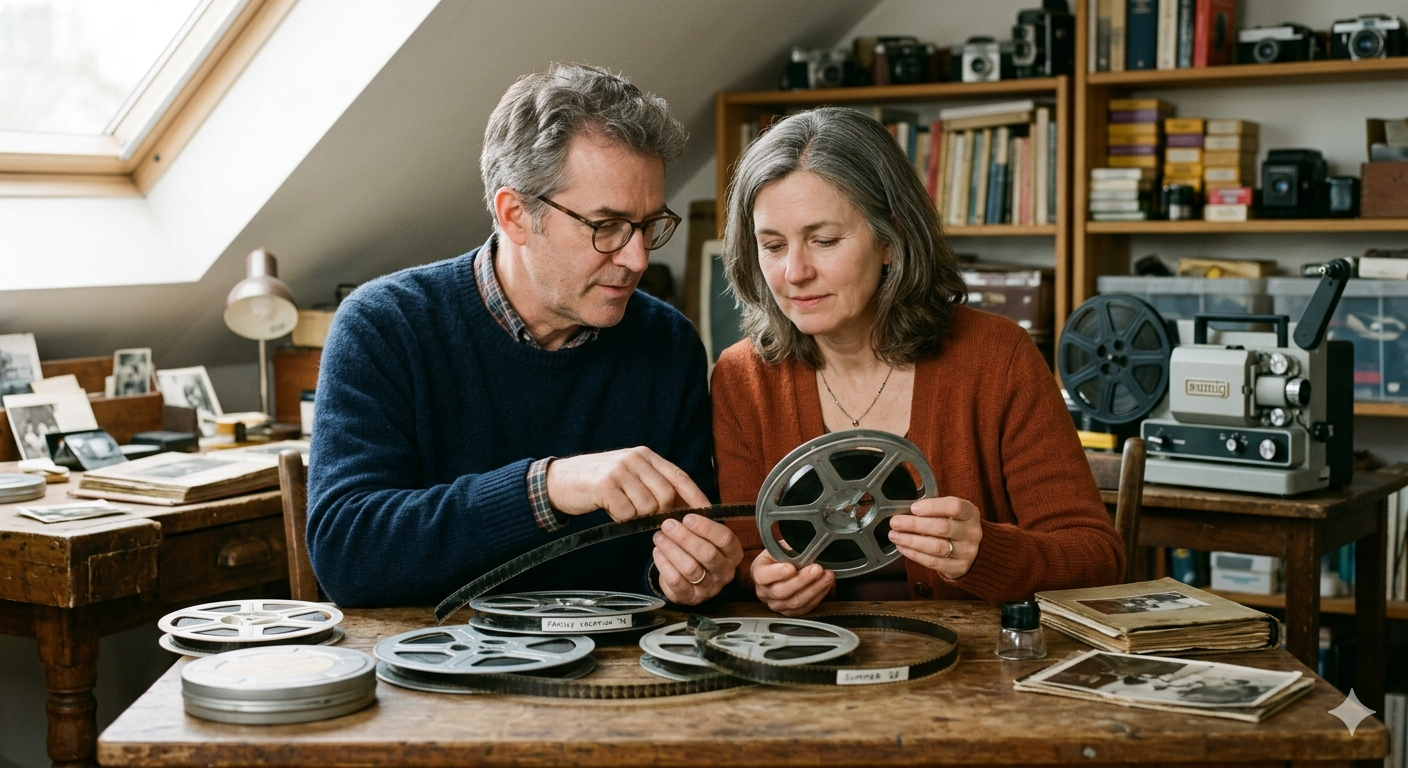
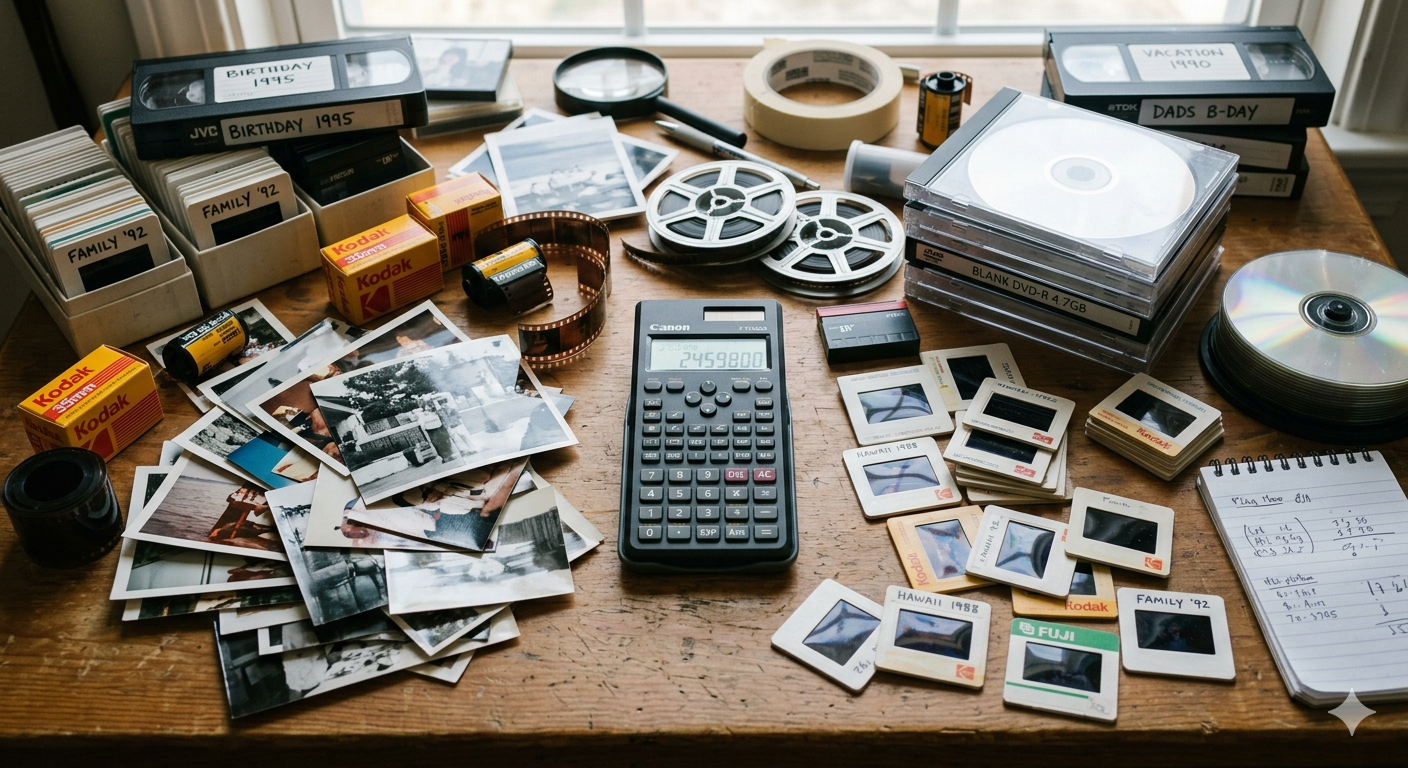
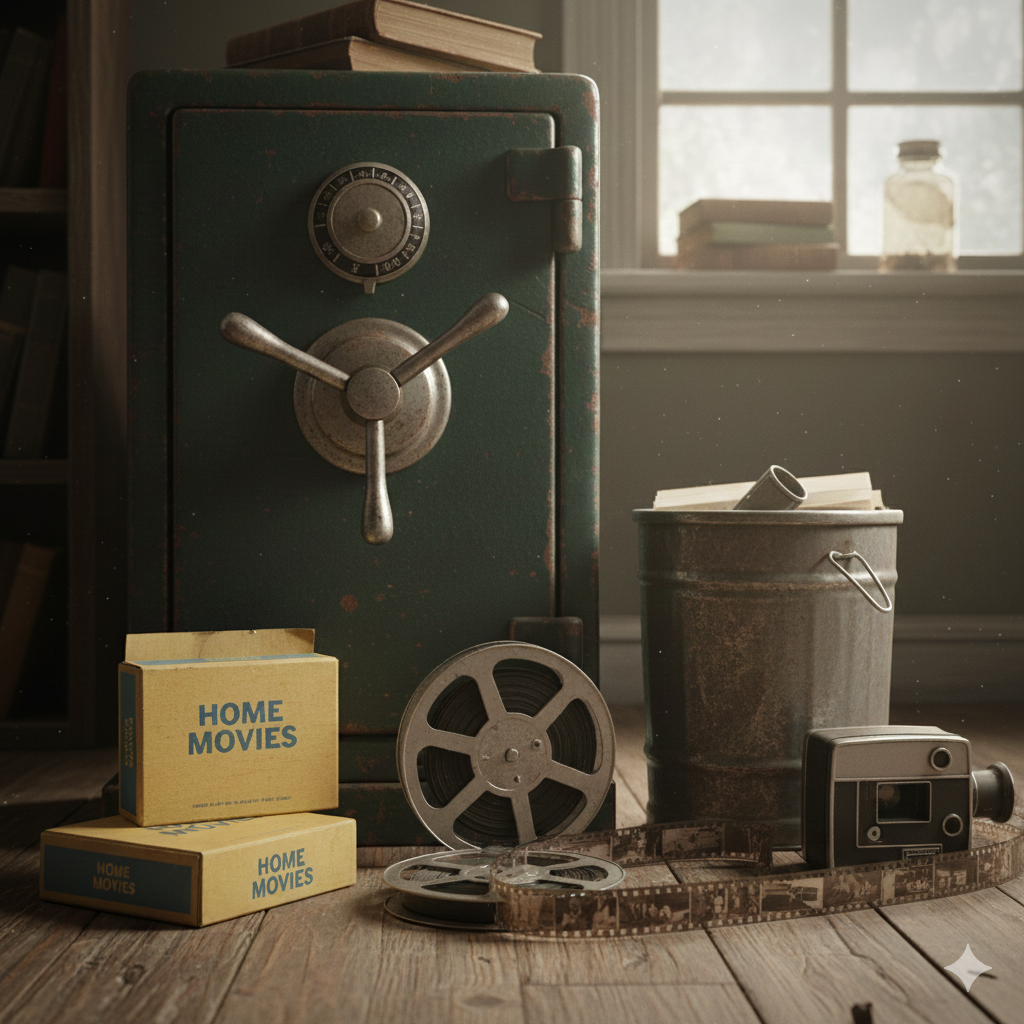
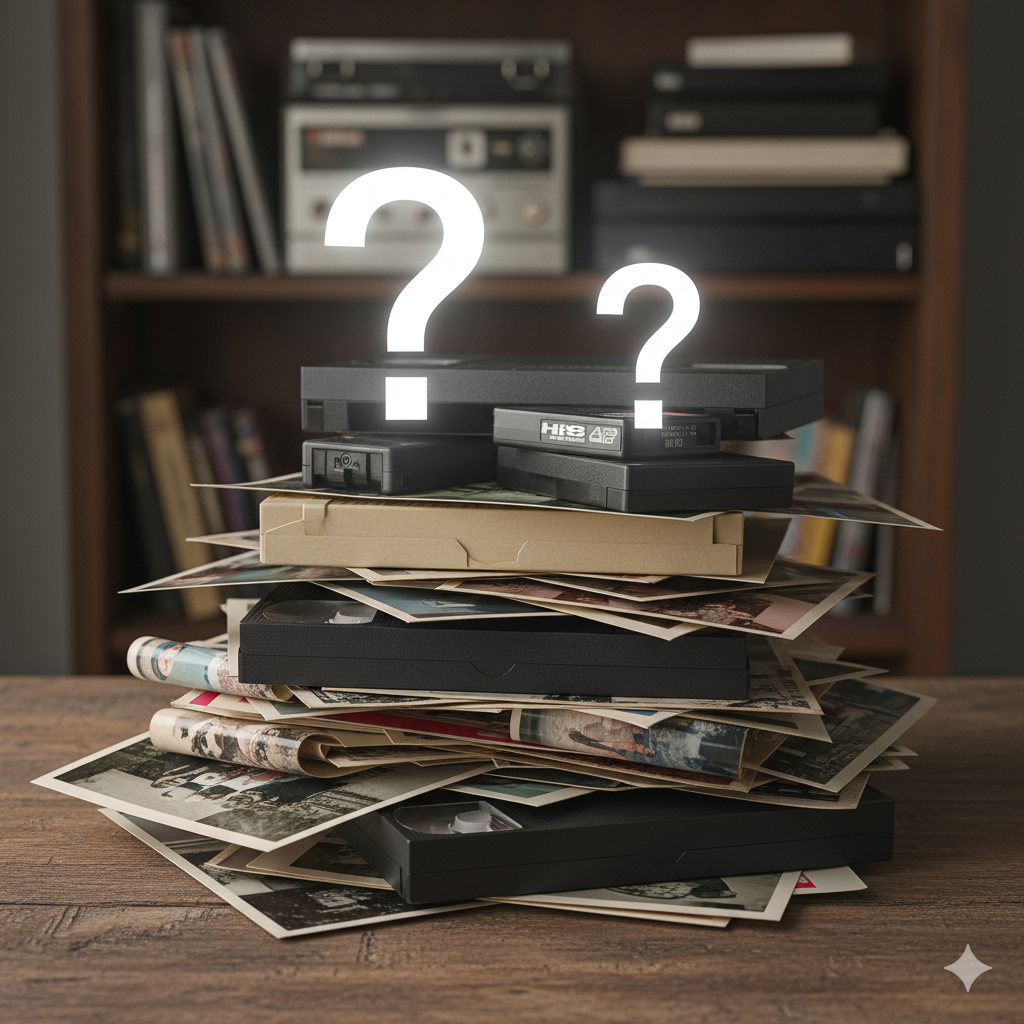
Most people have boxes of old film sitting in closets, basements, or attics without realizing those memories are slowly disappearing.
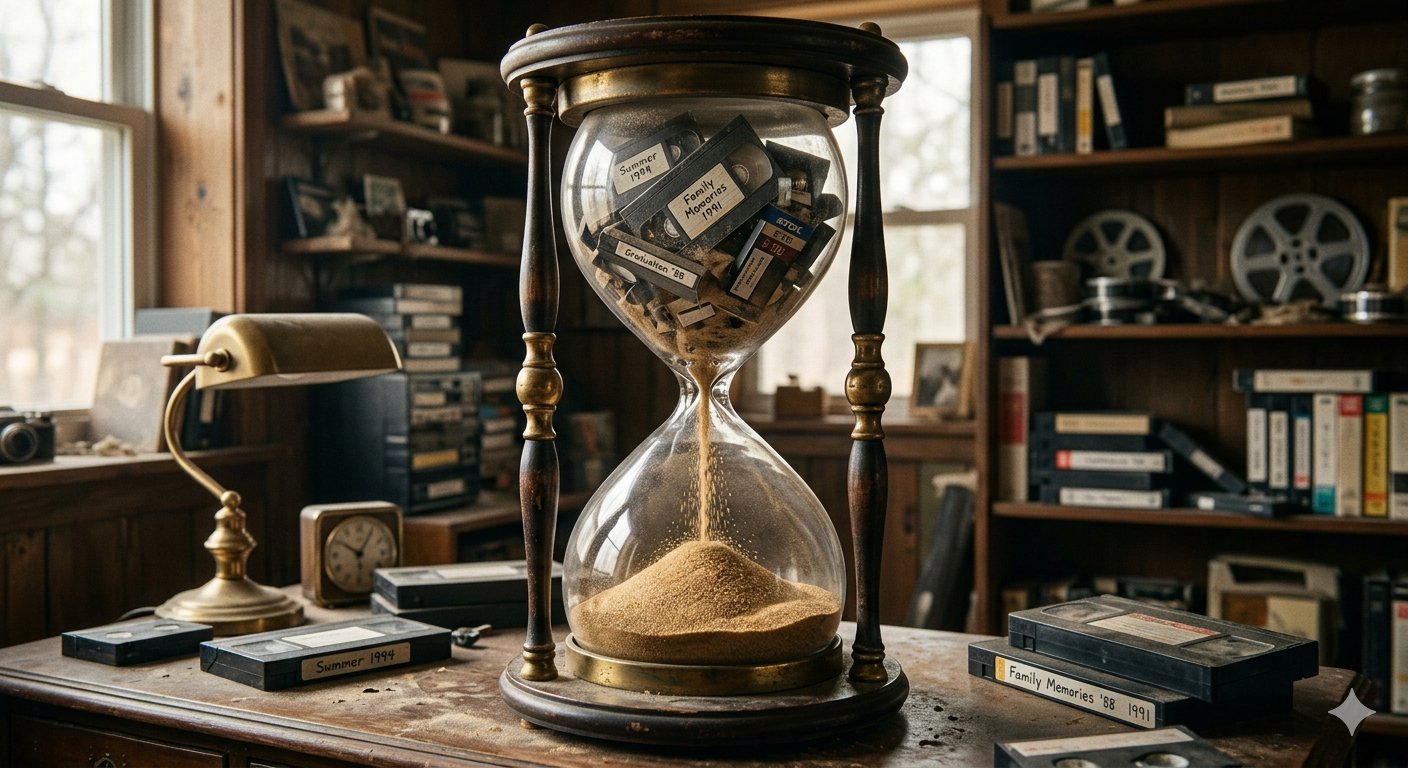
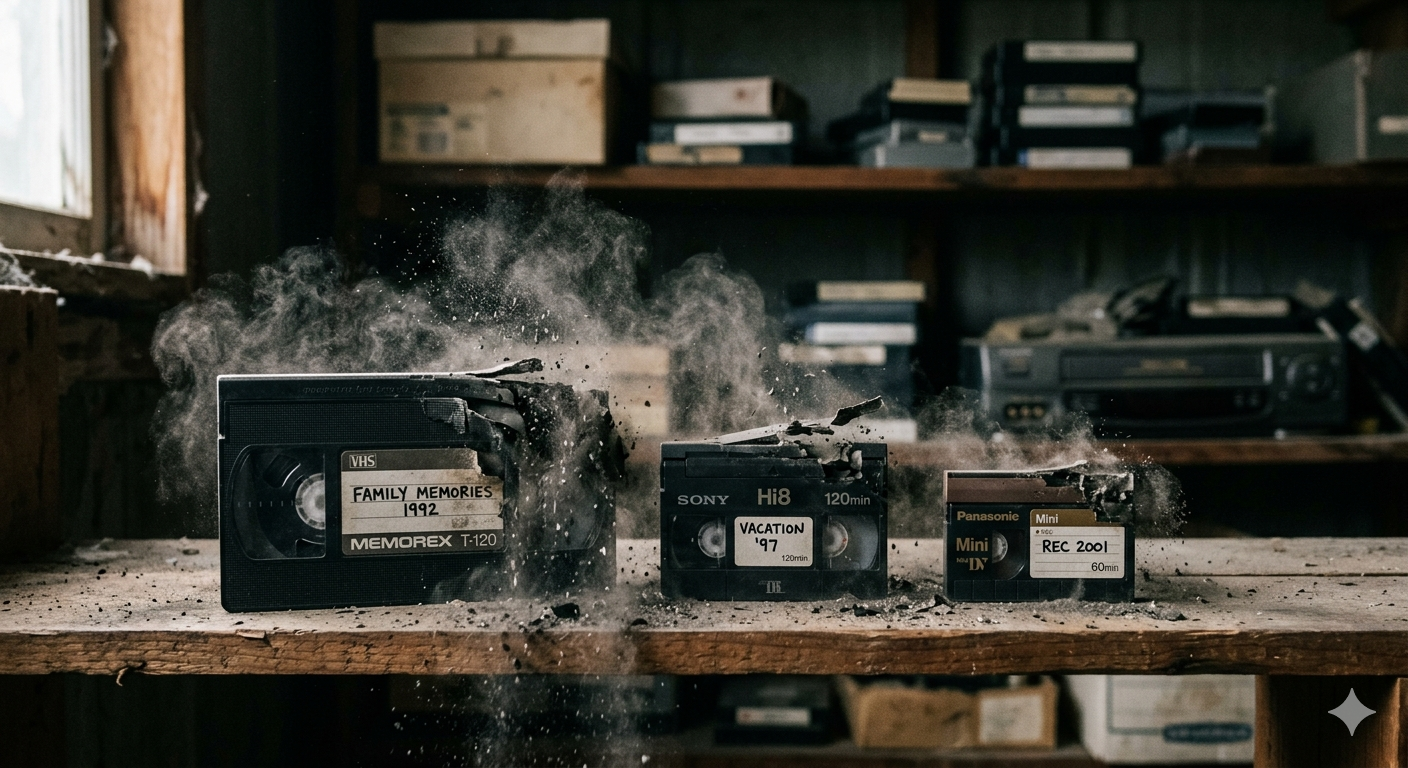
8mm, Super 8, and 16mm film doesn’t last forever. Over time, it fades, shrinks, and can even become brittle or unwatchable. Once that damage sets in, it’s often irreversible.
If you’ve been meaning to preserve your family films, the time to act is now. This guide will walk you through everything you need to know about digitizing old film and how to do it the right way.
What Types of Film Can Be Digitized?
The most common formats people want to convert include:
- 8mm film
- Super 8 film
- 16mm film
These formats were widely used for home movies, capturing moments like birthdays, vacations, weddings, and everyday life from decades past.
The challenge is that most modern households no longer have projectors, and even if they do, projecting old film can actually accelerate damage.
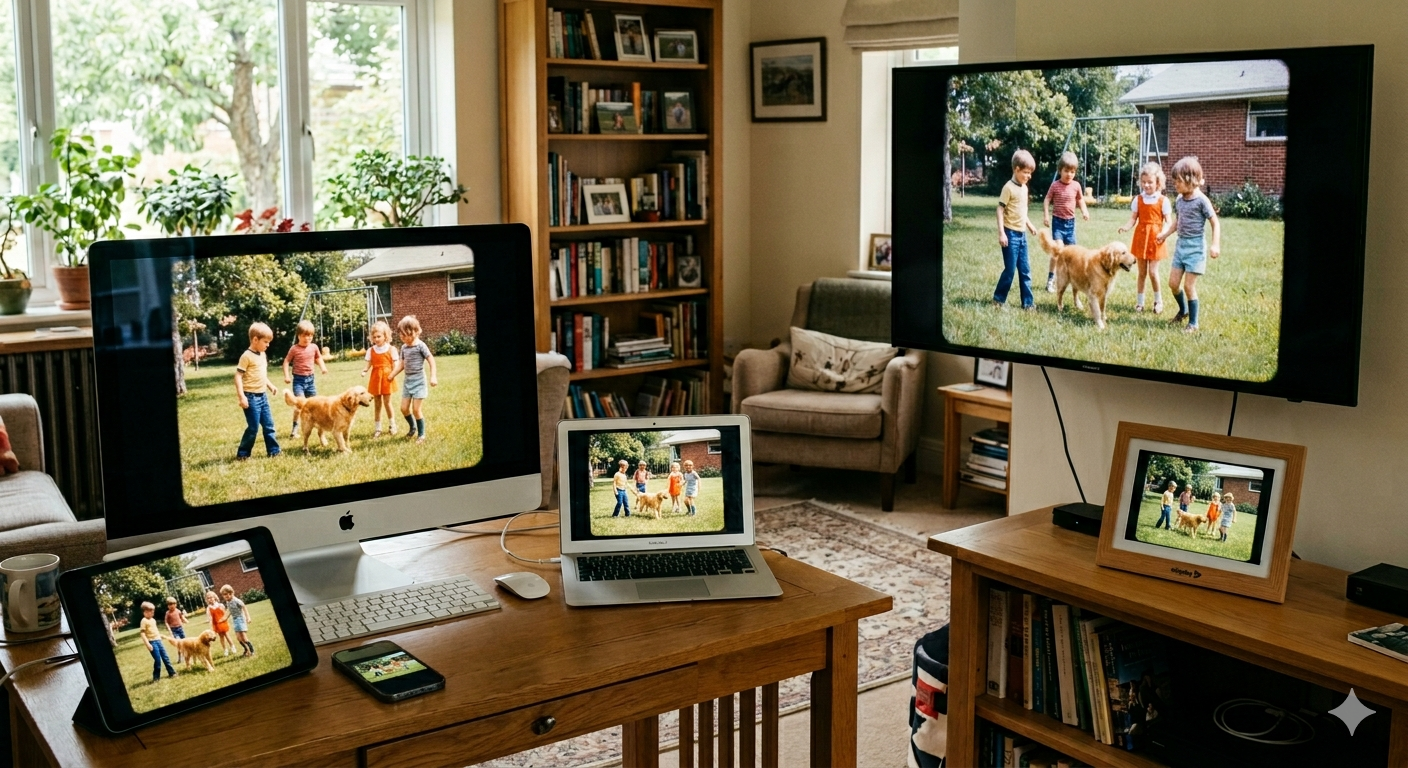
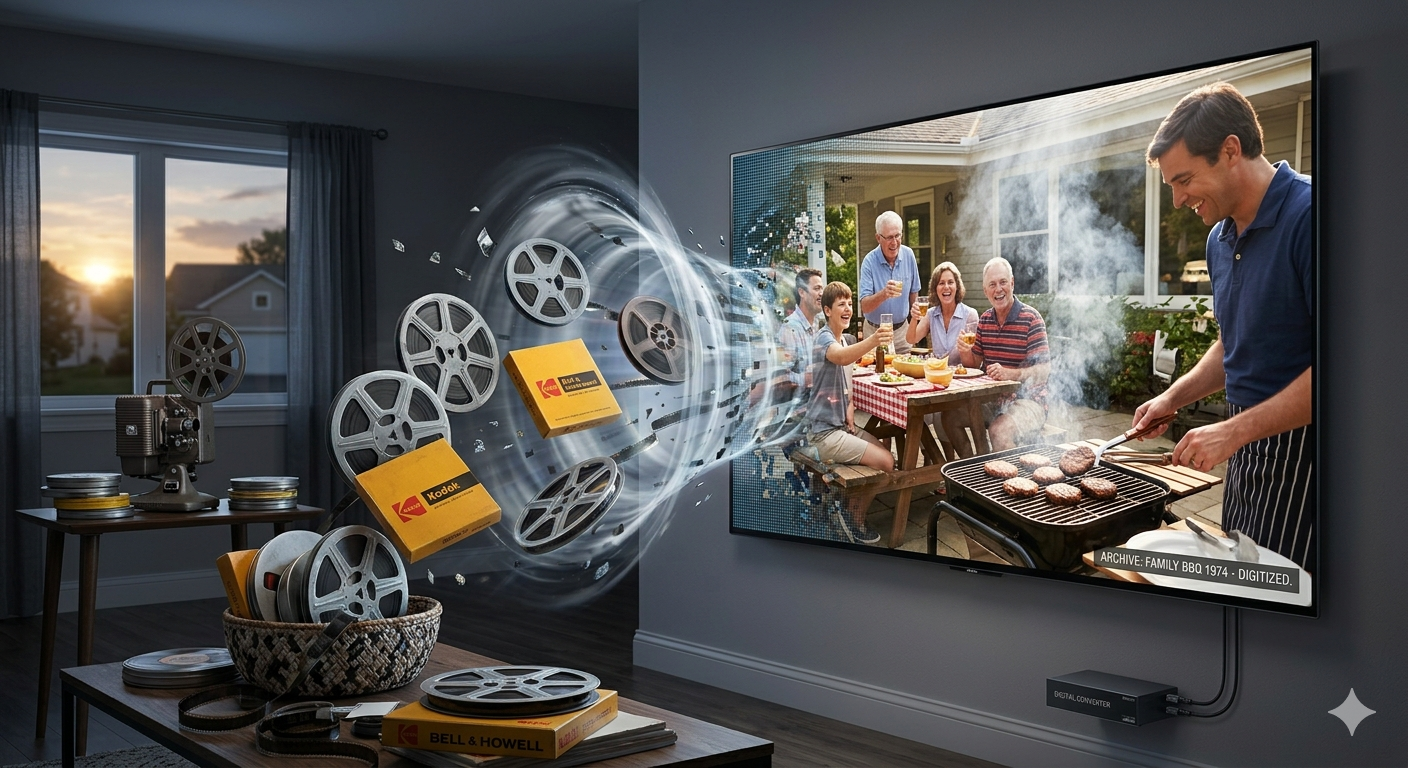
Digitizing your film allows you to preserve it safely while making it easy to view and share.
Signs Your Film Is Deteriorating
Not sure if your film is at risk? Here are some common warning signs:
- A strong vinegar-like smell (a sign of chemical breakdown)
- Faded or discolored images
- Brittle or curling film strips
- Warping or shrinking
Even if your film looks fine today, degradation is happening at a chemical level. Waiting only increases the risk of permanent loss.
DIY vs. Professional Film Scanning
DIY Film Conversion
There are inexpensive consumer options that let you convert film at home. While they may seem appealing, they come with major downsides:
- Lower image quality
- Poor color accuracy
- Risk of damaging fragile film
- Time-consuming process
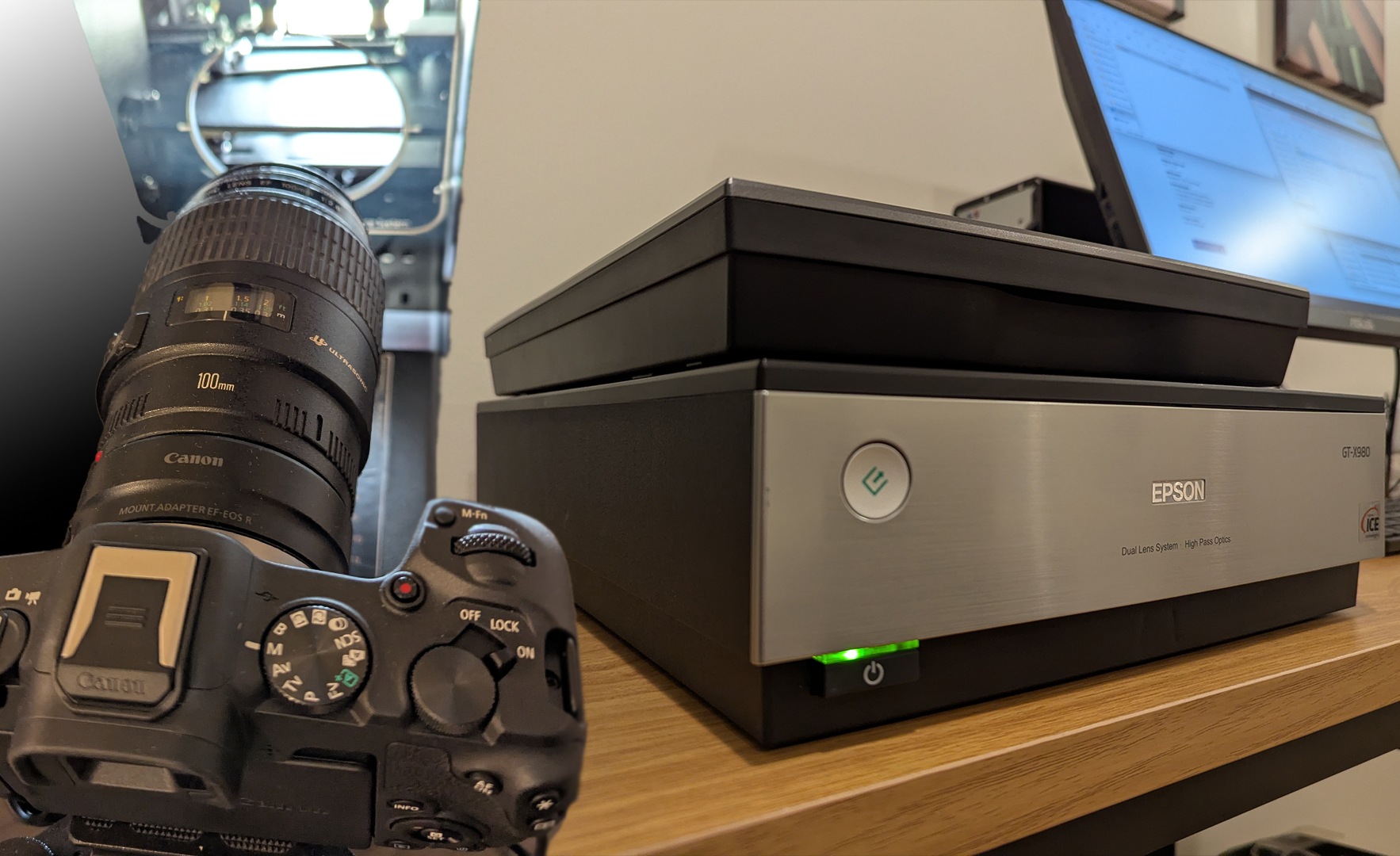
DIY solutions often use basic capture methods that don’t preserve the full detail of your original film.
Professional Film Scanning
Professional services offer a completely different level of quality and care.
Instead of projecting the film, high-end providers use frame-by-frame scanning to capture each image individually. This results in sharper detail, smoother motion, and better color reproduction.
For valuable or irreplaceable memories, professional digitization is almost always the better choice.
What Makes High-Quality Film Scanning?
Not all film scanning services are created equal. Here’s what separates high-end results from budget transfers:
Frame-by-Frame Scanning
Each frame is captured individually instead of being recorded off a projection. This preserves maximum detail and eliminates flicker.
High Resolution (2K or 4K)
Higher resolution scans retain more clarity and allow your footage to look great on modern screens.
Color Correction
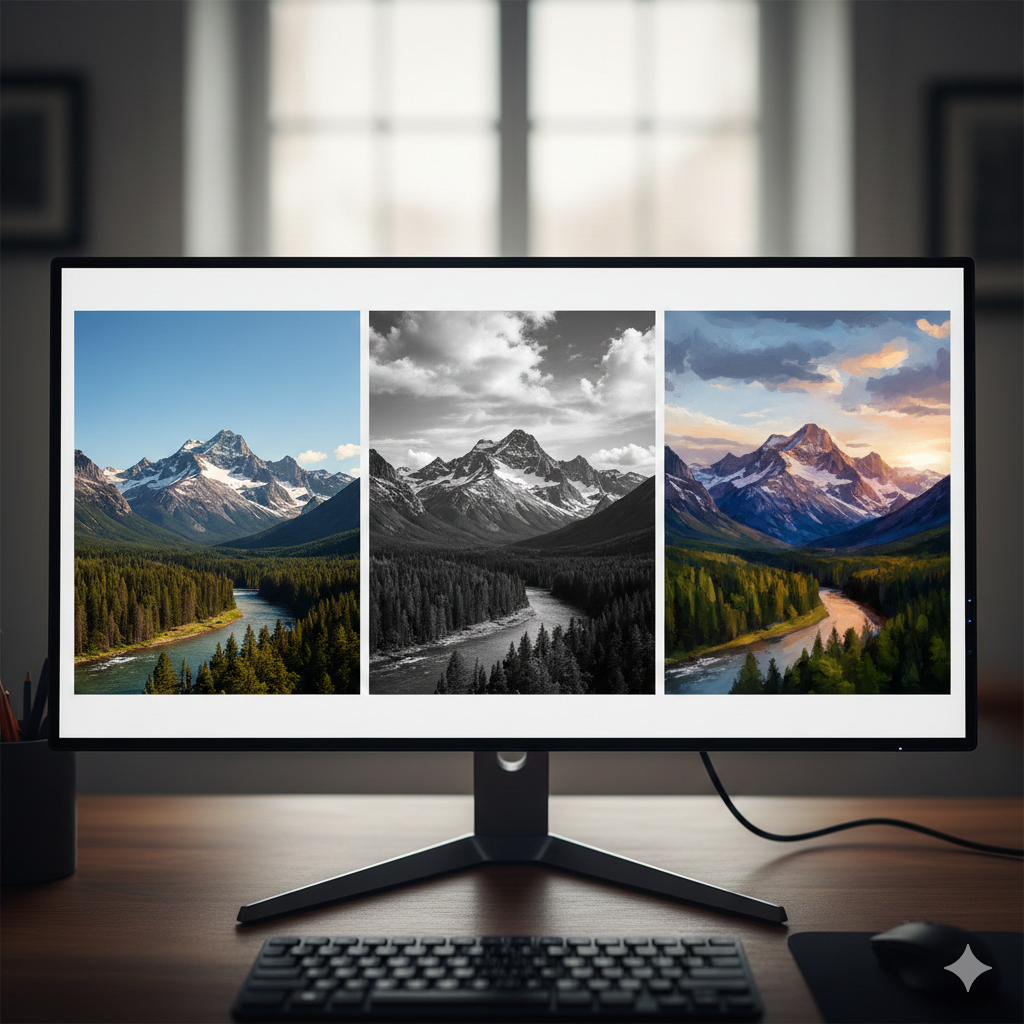
Old film often fades or shifts in color. Proper correction restores a more natural and vibrant look.
Professional Equipment
Top-tier scanners are designed specifically for archival preservation and delicate handling.
How Much Does Film Digitization Cost?
Pricing can vary depending on several factors:
- Film format (8mm, Super 8, 16mm)
- Condition of the film
- Resolution (HD vs 4K)
- Additional services like color correction or repair
On average, film scanning is priced per foot. While lower-cost providers exist, they often cut corners on quality, handling, or equipment.
When it comes to preserving one-of-a-kind memories, quality matters more than saving a few cents per foot.
Why Customers Choose Scan5
When choosing a film digitization service, trust and quality are everything.
Scan5 has built a strong reputation by focusing on:
- High-end, frame-by-frame scanning
- Consistent, professional results
- Careful handling of delicate film
- Fast turnaround times
- Excellent customer reviews
Whether you’re local to Chicago or shipping film from across the country, working with a reliable provider ensures your memories are preserved the right way.
What You’ll Receive
After digitization, your film is typically delivered in modern, easy-to-use formats:
- Digital video files (MP4 or MOV)
- USB drive, SSD, or downloadable files
- Options for cloud storage or backup
This makes it easy to watch your films on TVs, computers, or mobile devices and share them with family.
Frequently Asked Questions
How long does film digitization take?
Turnaround time depends on the size of your project, but most orders are completed within 1 to 2 weeks.
Is it safe to ship my film?
Yes. Reputable services handle shipments carefully and securely, with tracking and proper packaging.
Don’t Wait Until It’s Gone
Old film doesn’t wait. Every year that passes increases the chance of fading, damage, or total loss.
Digitizing your film now ensures those memories are preserved for future generations and easily accessible whenever you want to revisit them.
If you’ve been putting it off, this is your sign to finally take action.
Get Started Today
If you’re ready to preserve your film the right way, Scan5 makes the process simple.
Reach out for a quote, ask questions, and take the first step toward protecting your memories before it’s too late.